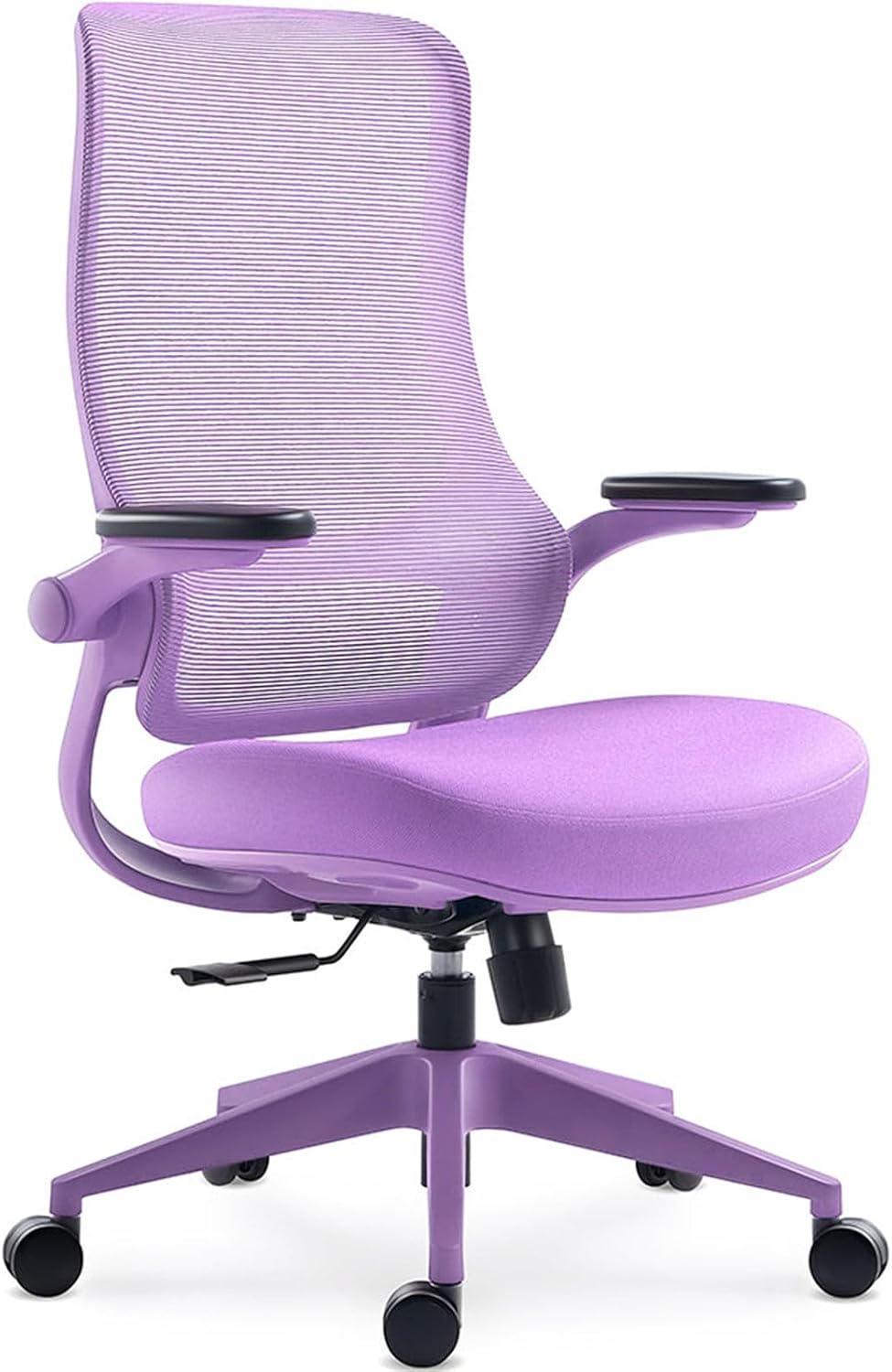
If you’ve been scrolling through Sunaofe reviews, you’re probably wondering whether these chairs actually deliver the kind of support they promise. That’s a fair question. Sunaofe has grown fast in the ergonomic chair market, but a sleek product page doesn’t tell you how a chair feels after eight hours at a desk.
I’ve spent time digging into their lineup, specs, and real owner feedback. The goal here is simple: help you figure out which Sunaofe chair, if any, is worth your money — and where the brand still falls short.
📌 Sunaofe Brand Overview: Who They Are and What They Promise
Sunaofe sits in the budget-to-mid-range ergonomic chair space, and it’s developed a loyal following among remote workers and gamers. Their chairs typically land between $200 and $500, which puts them well below premium flagships but above flimsy $80 task chairs. The core problem they’re trying to solve is familiar: sitting for eight-plus hours a day can lead to lower back stiffness, rounded shoulders, and that mid-afternoon energy slump.
What Sunaofe promises instead is a practical mix of support and adjustability:
- Adjustable lumbar support that you can move up or down to match your spine’s curve.
- Breathable mesh backrests that keep air moving during long sessions.
- Recline and tilt features for quick posture changes or a short break.
- Modern, minimalist designs that don’t scream “office furniture” in a home setup.
In this Sunaofe review, I’ll look at build quality, comfort, warranty coverage, and real customer feedback. I’ll also compare a few popular models side by side so you can decide whether Sunaofe actually delivers on those promises for your body and budget.
🔍 Top Sunaofe Ergonomic Chairs Reviewed by Model (2026 Lineup)
The 2026 Sunaofe lineup splits into three clear use cases: a compact mesh task chair, a tall-user recliner, and a budget air mesh option. I’ll break down each model below, then compare spec numbers side by side.
Sunaofe Voyager – Adjustable Mid-Back Mesh for Desk Work
The Voyager is a mid-back mesh chair with adjustable lumbar support, 3D armrests, and seat depth adjustment. It suits petite to average frames and keeps you cool during long sessions. Recline is moderate, so it’s not a napping chair.
- Seat depth adjustment helps shorter legs
- Breathable mesh back
- Limited recline for tall users
- Armrests may creak over time
Sunaofe Elite 67 – High-Back Recliner with Footrest
The Elite 67 is built for taller users and relaxed recline sessions. It adds a retractable footrest, 4D armrests, and a deeper recline angle. The high back supports your neck and shoulders better during gaming or movie breaks.
- High back suits users over 6 ft
- Footrest and deep recline for rest
- Heavier and wider footprint
- Higher price point
Sunaofe Air – Lightweight All-Mesh Budget Option
The Air is Sunaofe’s lightest, most breathable chair aimed at budget-conscious buyers. It skips some extra adjustments but keeps the all-mesh back for airflow. It’s easy to move and works well in small home offices.
- Very breathable all-mesh build
- Lightweight and easy to relocate
- Fewer adjustability features
- Lower weight capacity than other models
Quick-reference specs are approximate and based on current US listings; always confirm on the product page.
| Model | Weight Capacity | Seat Width | Recline Angle | Lumbar Type | Price Range | Check Price |
|---|---|---|---|---|---|---|
| Voyager | ~300 lb | ~20 in | ~135° | Adjustable | $300–$350 | Check Price → |
| Elite 67 | ~300 lb | ~20.5 in | ~155° | Adjustable | $450–$520 | Check Price → |
| Air | ~250 lb | ~19 in | ~120° | Basic adjustable | $200–$260 | Check Price → |
📌 Sunaofe Chair Build Quality, Comfort & Warranty: An Honest Assessment
Sunaofe chairs don’t feel like budget office seating. The frame quality is a step above what you’d expect at this price. Most 2026 models use a glass-fiber reinforced nylon frame with an aluminum alloy base. It’s sturdy, with no wobbly, hollow feel like cheaper imports. The casters roll smoothly on hardwood and low-pile carpet, and the base stays stable even when you lean back hard.
Mesh durability is mostly solid. The high-tension mesh is dense and breathable, which helps during 8-hour sessions. Seat cushions on the Voyager and Elite are firmer than the mesh backs. That’s good for support, but some users find the front edge digs slightly into thighs after long periods.
Adjustability range is generous for an ergonomic chair. Seat depth, armrest height, and lumbar tension all move smoothly. The lumbar support is one of Sunaofe’s strengths — it presses firmly without being aggressive. Headrest positioning is more hit or miss. Taller users often find the headrest sits too low, pushing the neck forward. If you’re over 6’1”, test it first.
Warranty terms are reasonable. Sunaofe typically covers 3–5 years on parts, with the frame often backed longer. Returns fall under a 30-day window, though you’ll usually cover return shipping. Assembly takes about 30–40 minutes. Instructions are clear, but the backrest is heavy, so get a second person.
Common durability complaints after 12+ months include:
- Creaking from the seat mechanism under recline
- Mesh sagging slightly in high-use areas
- Armrest pads loosening and wobbling
None are dealbreakers, but they’re worth knowing before spending $400–$700 on an ergonomic chair.
⚖️ Sunaofe Reviews: Pros, Cons, and Real Customer Feedback
Across Amazon, Reddit, and office furniture forums, Sunaofe chairs earn mostly positive but not universal feedback. Buyers love the value and adjustability, while a smaller group finds the lumbar or seat too firm.
- Affordable ergonomic features like adjustable lumbar, headrest, and armrests at mid-range prices
- Relatively easy assembly — most people finish in 20–40 minutes
- Sleek, modern design that fits home offices without looking bulky
- Generous seat depth and recline range for the price
- Mixed reports on lumbar intensity — some find it too aggressive or poorly placed for shorter torsos
- Seat firmness can feel hard after 2+ hours for lighter users
- Warranty claim speed varies; email support can take several days
- Mesh and fabric longevity is decent but not premium — some pilling after a year of daily use
Recurring praise from verified buyers centers on bang for the buck. Many Reddit users say Sunaofe competes with chairs costing $200–$300 more. Office forum reviewers often highlight the easy tension adjustment and smooth casters.
The main complaints are about fit, not build failure. Shorter users under 5’5” sometimes can’t get the lumbar low enough. Heavier users over 250 lb may want more seat cushioning. If you dislike firm seats, you’ll likely need a gel cushion.
Who should buy: You’re 5’5”–6’2”, under 250 lb, want strong adjustability on a budget, and don’t mind a firmer seat. Who should avoid: Very short or very tall users, anyone sensitive to firm lumbar pressure, or buyers needing fast warranty replacements.
If you’re ready to compare current models, Check current Sunaofe prices →
⚡ Sunaofe vs Competitors: How They Compare at a Glance
Sunaofe competes most directly with Sihoo, Hbada, Ticova, and Branch in the $150–$400 ergonomic chair bracket. Here’s how the specs stack up for comparable mid-range models.
| Model | Price | Lumbar Type | Armrest Adjust | Recline | Warranty | Weight Cap |
|---|---|---|---|---|---|---|
| Sunaofe Voyager | ~$329 | Dynamic adjustable | 4D | 135° | 5 yrs | 300 lbs |
| Sihoo M57 | ~$259 | Adjustable | 3D | 126° | 2 yrs | 300 lbs |
| Hbada E3 | ~$399 | Dynamic | 3D | 135° | 3 yrs | 300 lbs |
| Ticova Ergonomic | ~$189 | Adjustable | 3D | 130° | 1 yr | 300 lbs |
| Branch Ergonomic | ~$329 | Adjustable | 2D | 120° | 7 yrs | 275 lbs |
Sunaofe wins on adjustability per dollar. 4D armrests and a 5-year warranty at this price are rare in the category. The modern silhouette and mid-back support also feel more premium than Ticova or Sihoo.
Competitors win on long-term reputation. Branch offers a 7-year warranty and a softer seat, while Hbada’s dynamic lumbar has more polished build reports over time. Ticova remains the budget pick if you only need basic support.
My verdict: If you want maximum adjustability under $350, the Sunaofe Voyager is the best value. If long-term durability and softer cushioning matter more, choose Branch Ergonomic. For tight budgets, Ticova still works.
Check Sunaofe Voyager → Check Branch Ergonomic → Check Ticova →
🔑 Buying Guide: How to Choose the Right Sunaofe Chair for You
Start by measuring your desk height and available floor space. A chair with too much seat depth forces you to perch, while too little leaves your thighs unsupported.
For most Sunaofe models, you’ll want your feet flat on the floor with knees at roughly 90 degrees, then check the seat depth against your upper leg length. If you’re under 5’5” or over 6’2”, skip chairs with fixed depth unless the spec sheet confirms a match.
Next, rank features by daily priority. Common ones include:
- Adjustable lumbar support for lower-back relief
- Headrest or footrest for reclining breaks
- 4D armrests for keyboard and mouse work
- All-mesh back for breathability
All-mesh backs breathe better for long sessions but can feel firmer. Hybrid fabric and mesh chairs trade some airflow for a softer sit.
Match the chair to your use case. Eight-hour office work usually rewards a more adjustable lumbar and seat depth. Gaming marathons benefit from wider seats and recline flexibility. Occasional hybrid use is where the Sunaofe Air makes sense: you get core ergonomics without paying for extras you won’t use daily.
Value breakpoints matter. A flagship Sunaofe is worth it if you sit 6+ hours a day and will actually dial in every adjustment. If you’re on a budget or only sit for short bursts, the Air delivers most of the essential support for a few hundred dollars less.
Finally, check the return window and warranty before buying. Even a well-reviewed chair may not fit your body, and return shipping on chairs is not always free. Confirm coverage for gas lift, armrests, and mesh before you commit.
🔍 Sunaofe Reviews FAQ
Are Sunaofe chairs good for lower back pain?
Most Sunaofe models include adjustable lumbar support and a seat-depth slider, which many users find helpful for reducing lower-back strain during long desk days. That’s not a medical promise — if you have a diagnosed disc issue, check with a clinician first.
How long does a Sunaofe chair last?
Expect 5–8 years of daily use based on the metal base, high-density foam, and 5-year warranty on key parts. Budget models may show seat cushion softening after year three, but the frame and gas lift typically hold up well.
Does Sunaofe offer free returns or a trial period?
Sunaofe advertises a 30-day return window on many models, but return shipping isn’t always fully covered. Read the listing terms before checkout. Some Amazon purchases include free return drop-off, depending on your location.
Which Sunaofe model is best for tall people?
The Sunaofe Voyager is my pick for users 6’0” and up. It has a high backrest, deep seat travel, and a taller gas lift than the Elite 67. You’ll get better shoulder and neck coverage without slouching.
Is Sunaofe better than Sihoo or Hbada?
For taller and heavier users, Sunaofe usually feels more substantial than Sihoo’s mid-range chairs and a clear step above Hbada’s budget basics. Hbada is fine for light, occasional use; Sihoo offers good value under $300, but Sunaofe’s adjustment range and lumbar depth are often better.
Do Sunaofe chairs come pre-assembled or require tools?
They ship partially assembled — you’ll need about 20–30 minutes and a basic hex wrench. The backrest and armrests typically bolt on, while the base and casters snap or screw into place. All hardware is included.
2 thoughts on “Sunaofe Reviews 2026: Are Their Ergonomic Chairs Worth It?”