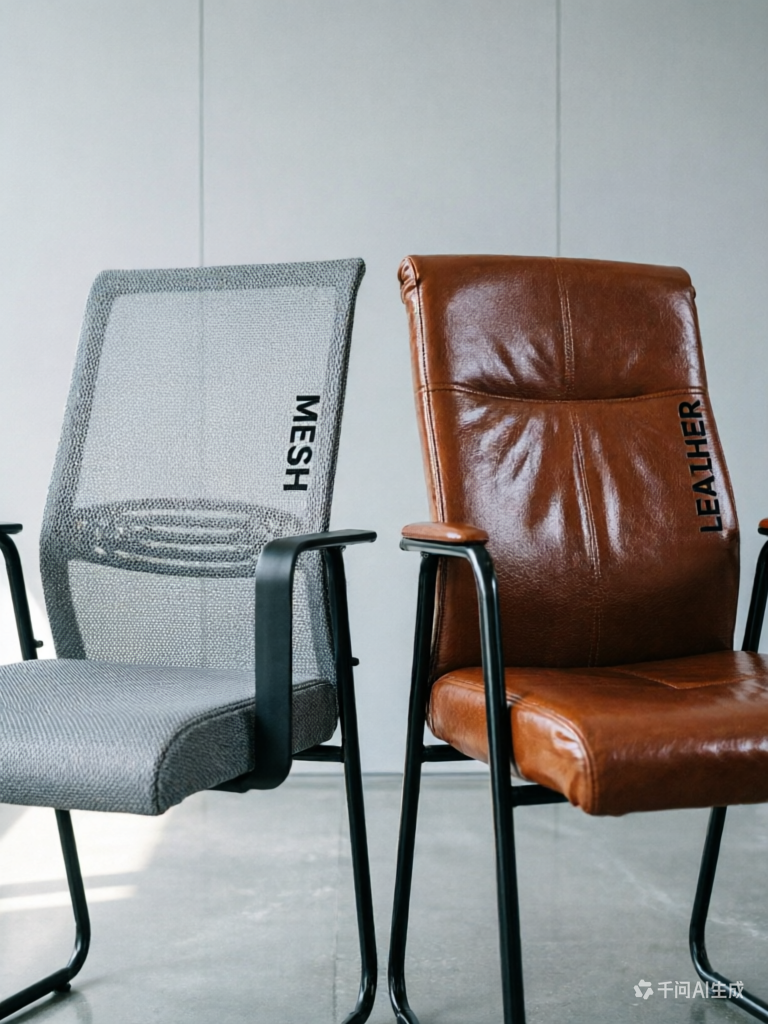
You are shopping for an office chair, and you keep seeing two distinct types: chairs with sleek, breathable mesh and chairs with classic, plush leather. Both claim to be comfortable. Both claim to be durable. But they feel completely different when you sit in them, and they serve very different needs.
So, which one is better for you? Is mesh worth the hype? Does leather make you sweat? And most importantly — which one will actually keep you comfortable during 8+ hour workdays?
In this guide, I will break down everything you need to know about mesh vs leather office chairs: comfort, breathability, durability, support, cleaning, and which one is best for different body types, climates, and use cases. By the end, you will know exactly which material belongs in your home office.
Quick Answer: Mesh vs Leather — Which One Is Better?
Here is the short version if you are in a hurry:
- Choose mesh if: You run hot or live in a warm climate, want the most breathable chair possible, prefer firm supportive seating, sit for 8+ hours a day, or want a chair that is lightweight and easy to move. Mesh is also better if you tend to sweat or want a modern, sleek look for your workspace.
- Choose leather if: You prefer a plush, “executive” feel; work in a cool, climate-controlled office; want a chair that looks premium and professional for client-facing environments; are willing to perform regular maintenance (cleaning and conditioning); or do not sit for extremely long continuous sessions.
Neither is objectively better — they serve different needs. Let me explain why.
What Is a Mesh Office Chair?
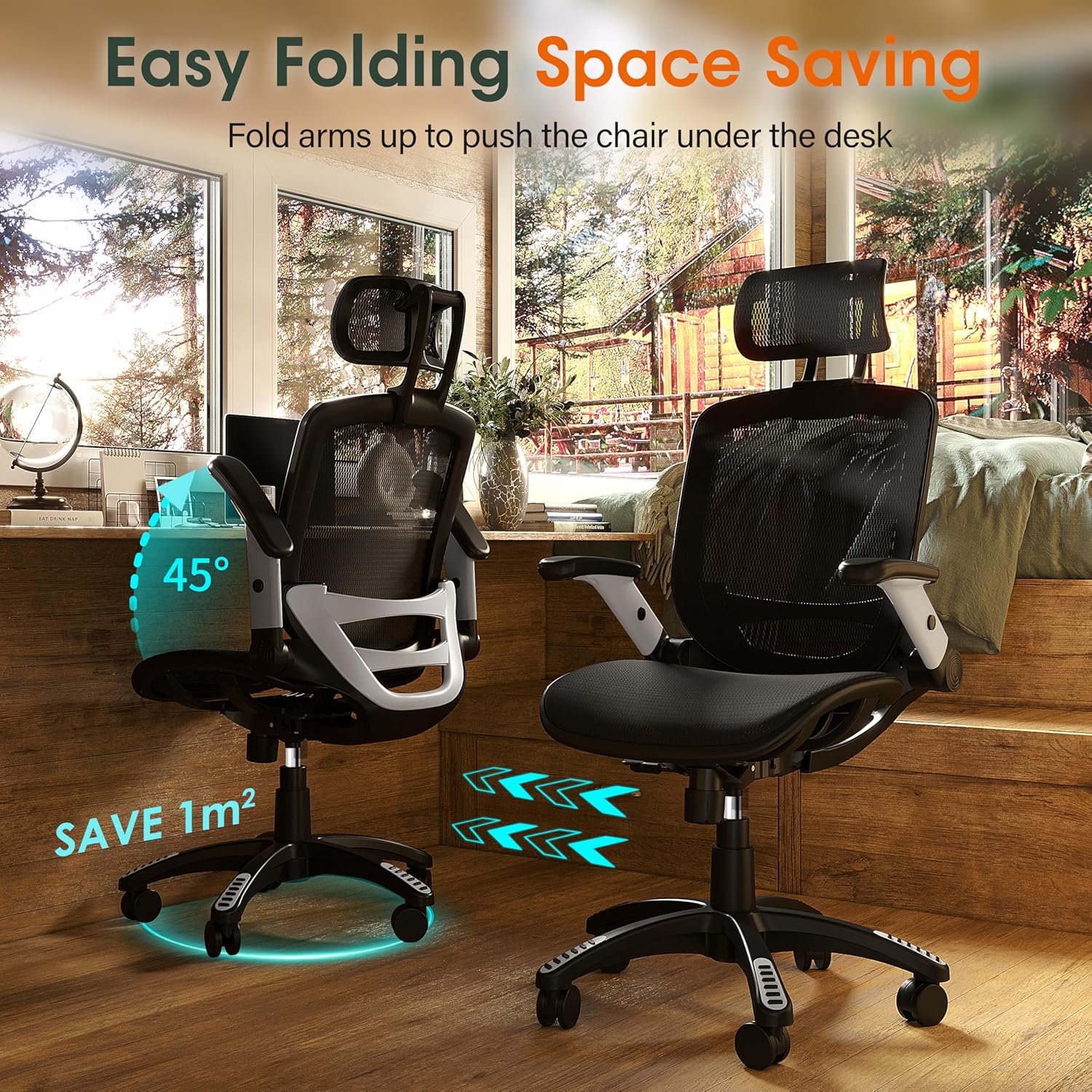
A mesh office chair uses a suspension fabric (usually high-elasticity polyester or nylon fibers) stretched tightly across a frame for the backrest, seat, or both. The mesh is woven in a 3D suspended structure with precisely calibrated breathability. It is designed to be breathable, flexible, and supportive — like a hammock for your body.
Common mesh chair examples:
- Herman Miller Aeron (full mesh seat + back)
- Haworth Fern with mesh back option
- SIHOO Doro C300 (mesh back, foam seat)
- Hbada E3 (full mesh)
- Flash Furniture Marcus (full mesh)
Premium mesh chairs use advanced Pellicle mesh or similar technologies with zoned tension — different areas of the mesh have different levels of tightness to provide support where you need it and flexibility where you don’t.
What Is a Leather Office Chair?
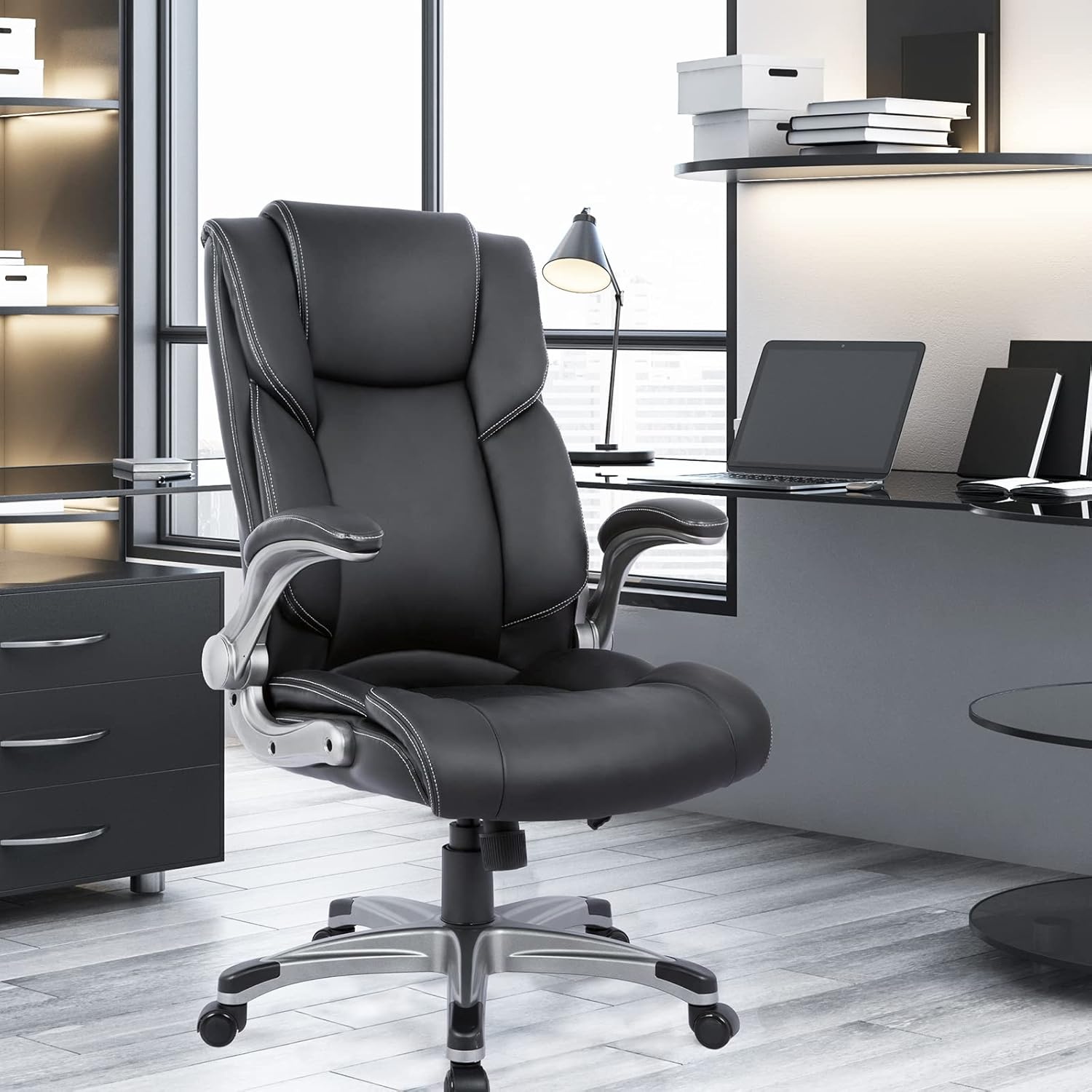
A leather office chair uses padded foam covered with genuine leather or synthetic leather-like materials (such as PU leather). Unlike mesh chairs, leather chairs focus more on cushioning and a soft, smooth surface, giving a more premium and traditional feel.
Types of leather:
- Full-grain / Top-grain leather: Natural, luxurious, breathable, but premium-priced and requires conditioning. Can last 10+ years in low-traffic settings.
- PU leather (synthetic): Cost-effective and closely resembles genuine leather, but less durable and may crack or peel over time — especially in dry or hot conditions.
- Bonded leather: Made from leather scraps bonded together. Least durable and prone to peeling within 1–2 years. Avoid for daily use.
Common leather chair examples:
- Steelcase Leap v2 (fabric, not leather — but premium foam)
- Steelcase Gesture (fabric or leather options)
- Serta Smart Layers Hensley (bonded leather — budget option)
- Hon Ignition 2.0 (fabric, not leather)
- Branch Ergonomic Chair Pro (vegan leather option available)
Comparison Table: Mesh vs Leather Office Chairs
| Feature | Mesh Chair | Leather Chair |
|---|---|---|
| Breathability | Excellent — air flows freely through the seat and back (9.5/10) | Poor — foam and leather trap heat and moisture (6/10) |
| Initial Comfort | Firm — may feel “hard” at first, requires adjustment period | Plush — feels soft and welcoming immediately |
| Long-Term Comfort (8+ hours) | Very good — prevents fatigue, keeps you alert, no heat buildup | Mixed — can cause sweating and pressure points over time |
| Durability | Very high — premium mesh retains over 90% elasticity for years (5-8 years typical) | Moderate to high — high-quality genuine leather lasts 8-12+ years; synthetic leather lasts 2-4 years |
| Support | Firm, even support across the entire seat surface; molds to body shape | Soft, conforming support that compresses over time |
| Cleaning | Easy — wipe with damp cloth or vacuum; resists stains | Moderate — wipe spills easily, but requires conditioning to prevent cracking |
| Weight | Lighter (full mesh chairs ~30–40 lbs) | Heavier (leather chairs ~45–80 lbs) |
| Price Range | $150–$800 (wider range) | $300–$1,500+ (genuine leather premium) |
| Best For | Hot climates, long hours, sweaty users, modern aesthetics | Cool climates, executive offices, client-facing environments, traditional décor |
Detailed Comparison: Mesh vs Leather Office Chairs
1. Breathability (Winner: Mesh — by a wide margin)
This is mesh’s biggest advantage. Air flows freely through the open weave of mesh seats and backrests, carrying away heat and moisture. If you have ever stood up from a leather or foam chair with a sweaty back or damp thighs, you know exactly why this matters.
Premium mesh retains over 90% of its elasticity even after years of daily use and provides exceptional airflow ideal for hot or humid climates — no more sweaty backs during long workdays.
Leather’s insulating properties trap body heat, raising seating temperatures by 3–5°C compared to mesh. This creates discomfort during prolonged use, especially in sun-exposed or air-conditioning-limited environments. Users report 43% more posture adjustments in leather chairs during summer months, a pattern linked to heat-induced restlessness.
Verdict: If you live in a warm climate, sweat easily, or sit for long sessions, mesh is the clear winner.
2. Initial Comfort (Winner: Leather)
When you first sit down, a leather or foam cushion feels soft, welcoming, and familiar — like a couch or car seat. Mesh feels firm, even hard. Many first-time mesh users worry they made a mistake.
Most people need 1–2 weeks to adjust to a mesh seat. The firmness is intentional — it promotes better posture and prevents you from sinking into a slouch, but those first few days can be uncomfortable if you are used to plush seating.
Mesh performs best in warm, humid, or compact rooms with limited airflow, while leather suits cooler, climate-controlled environments.
Verdict: If you want a chair that feels comfortable on day one, choose leather. If you are willing to adjust for long-term benefits, choose mesh.
3. Long-Term Comfort (Winner: Mesh — for 8+ hour days)
This is where the conversation gets interesting. While foam feels better initially, mesh often feels better after 6–8 hours because it prevents heat buildup and maintains consistent support.
Because mesh does not trap heat, you do not get that sticky, sweaty feeling after hours of sitting. The firm support also prevents the “sinking” sensation that can make you feel tired and sluggish. Mesh keeps you alert.
After several hours in a leather chair, the foam compresses under your weight. Your sit bones may start to ache. The surface can feel damp. Many leather chair users end up shifting constantly or standing up more frequently to relieve pressure.
Verdict: For full-time desk workers (8+ hours/day), mesh is generally better. For part-time sitters (2–4 hours/day), the difference is less noticeable.
4. Durability and Longevity (Winner: Tie — depends on quality)
Quality mesh chairs can last 5-8 years with the mesh retaining over 90% of its elasticity even after years of daily use. Premium mesh does not sag if it is high-quality.
Cheap mesh chairs ($150–250) may sag within 1–3 years. Quality genuine leather with proper maintenance can last 8-12+ years, but synthetic leather (PU) may crack or peel within 2-4 years, especially in dry conditions.
Premium leather chairs actually improve with age. The high-resilience foam core beneath the leather is designed to subtly conform to the user’s unique musculoskeletal contours over time, creating a “customized fit” that provides consistent, dense support.
Verdict: If you want a chair that will last 10+ years without degrading and you are willing to pay for premium genuine leather, leather is an option. If you prefer a lower-maintenance, durable chair that won’t sag, premium mesh is excellent.
5. Support and Posture (Winner: Mesh — for active sitting)
Computer chairs made with mesh tend to be better for the spine than their leather counterparts when someone needs to sit for long periods. The mesh fabric actually molds around the body’s shape, spreading out pressure along the lower back area and keeping that important lumbar curve supported properly.
Research published in the Occupational Health Journal found that people who used mesh chairs experienced about 23% less back discomfort than those stuck in regular padded seats. Leather office chairs typically have fixed padding, which gets squashed down after sitting too long, leading to a “hammocking” effect where the spine starts to sag forward because the support just isn’t there anymore.
Verdict: For posture correction and back pain prevention, mesh has a clear edge — but only if the mesh is high-quality with proper tension zones.
6. Cleaning and Maintenance (Winner: Mesh — for low maintenance)
Spills happen. Coffee, tea, snacks — all can ruin an office chair.
Mesh is easy to clean: wipe with a damp cloth and mild soap. For deeper cleaning, use a vacuum with a brush attachment. Spills go through the mesh rather than soaking in — blot the frame, and you are done.
Leather requires more attention. Genuine leather needs conditioning to prevent cracking and UV damage. Leather chairs can be affected by temperature, feeling hot in summer and cold in winter. Fabric or bonded leather foam chairs absorb spills immediately.
Verdict: If you eat at your desk or have kids/pets, mesh is much easier to keep clean.
7. Aesthetics and Professional Image (Winner: Leather — for executive settings)
Mesh chairs have a modern, technical, “futuristic” look that fits well in contemporary home offices and startup environments. Studies show that 60% of home office workers now choose mesh over other materials.
Leather chairs look traditional, executive, and premium. Leather chairs are better for settings that need to highlight a luxurious image and are more common in leadership offices, executive suites, and client-facing areas where appearance is just as important as comfort.
Verdict: Choose based on your office décor and personal taste.
Hybrid Chairs: The Best of Both Worlds
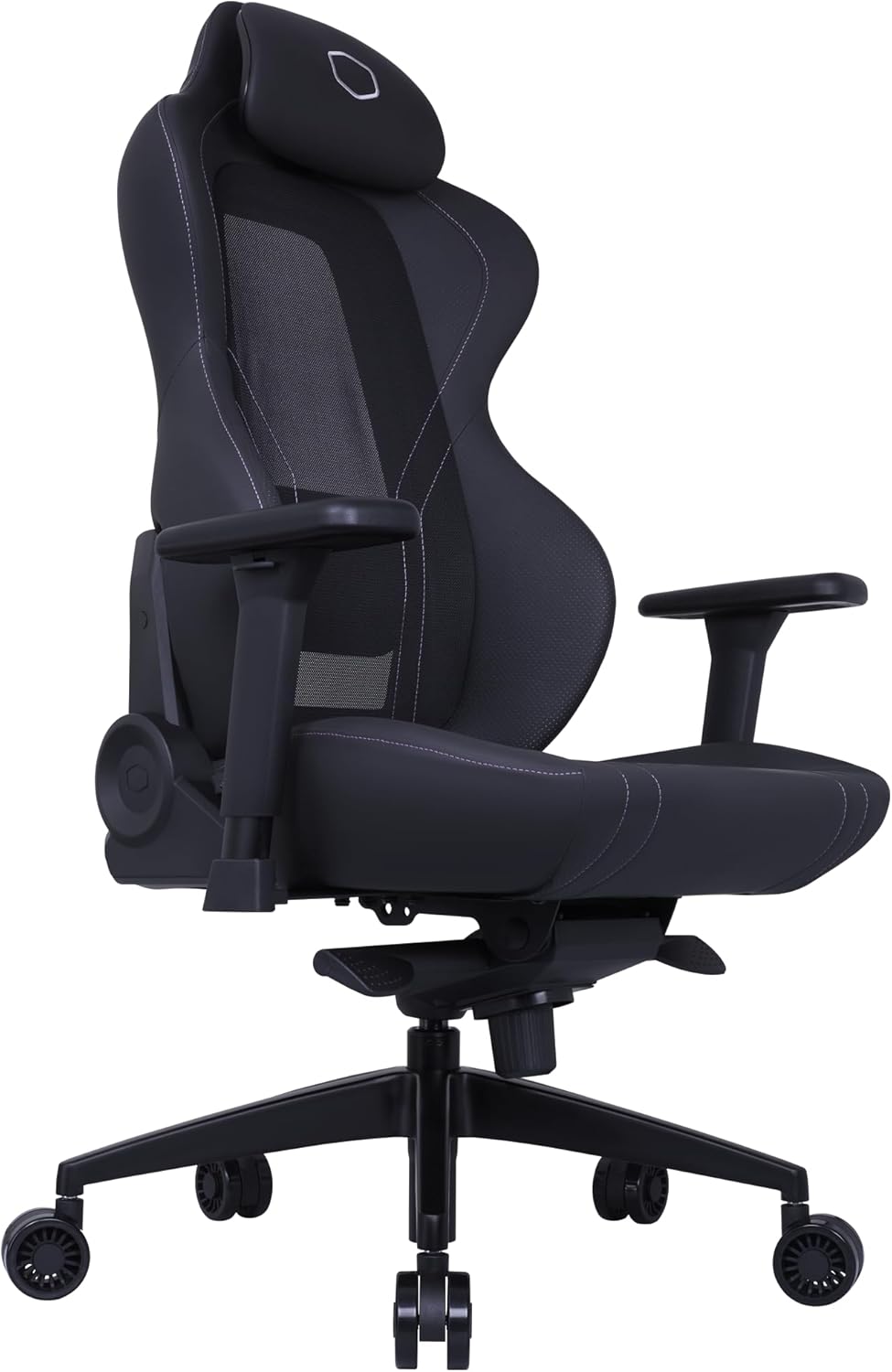
Many modern ergonomic chairs offer a hybrid design: a mesh backrest for breathability + a foam or leather seat cushion for comfort. This combination has become increasingly popular because it addresses the main complaint about full mesh chairs (firm seat) while keeping the breathability advantage.
Popular hybrid chairs:
- SIHOO Doro C300 (mesh back, foam seat)
- Hbada E3 (mesh back, foam seat — optional full mesh)
- Branch Ergonomic Chair Pro (mesh back, foam seat — vegan leather option)
- Autonomous ErgoChair Pro (mesh back, foam seat)
Pros of hybrid: You get breathability where you need it most (your back) and cushion comfort where you want it (your seat). This is often the best compromise for users who want both.
Cons of hybrid: You lose some breathability on the seat (still traps some heat), and you still have foam compression issues over time.
Verdict: For most people, a hybrid chair (mesh back + cushioned seat) offers the best balance of breathability, comfort, and durability.
Which Is Better for Specific Use Cases?
For Back Pain (Winner: Mesh back + adjustable lumbar)
The backrest material matters less than the lumbar support system. However, mesh backrests tend to be more breathable and provide firmer support. The key is adjustable lumbar — material is secondary. Research shows mesh chairs reduce back discomfort by 23% on average.
For Long Work Days (8+ hours) (Winner: Mesh or Hybrid with mesh back)
Mesh’s breathability and firm support reduce fatigue and sweating over long sessions. If you must have leather for aesthetic reasons, choose a hybrid with mesh back to at least keep your back cool.
For Gaming (Winner: Hybrid — mesh back + cushioned seat)
Gamers need both long-session comfort (mesh back) and a plush feel for relaxation between matches (cushioned seat). Hybrid chairs hit both marks.
For Hot Climates / Summer (Winner: Full mesh)
If you live in Florida, Texas, or anywhere with hot summers, full mesh is non-negotiable. Leather in summer is miserable. Mesh retains 95% of its stretchiness even after five years.
For Cool Climates / Winter (Winner: Leather)
In cold climates, leather’s heat retention is actually a benefit. Mesh can feel cold in winter. Choose based on your local climate or go hybrid.
For Heavy Users (Over 250 lbs) (Winner: Quality mesh or high-density foam)
Mesh distributes weight evenly and does not compress. However, cheap mesh can sag under heavy weight. Premium mesh (Aeron, Haworth) is excellent. High-density foam with genuine leather (Steelcase Leap with upholstery) is also good. Avoid cheap synthetic leather.
For Budget (Under $300) (Winner: Hybrid or mesh)
Cheap full mesh chairs often use low-quality mesh that sags quickly. At this price, a hybrid or mesh chair may offer better value and durability than cheap bonded leather, which peels within 1–2 years.
For Executive Office / Client-Facing (Winner: Leather)
Leather chairs project a professional and luxurious feel, making them perfect for executive offices, meeting rooms, and leadership suites. Mesh chairs convey a modern, tech-forward image — choose based on your brand.
How to Choose Based on Your Situation
Use this simple decision guide to pick the right material for your specific needs.
If you run hot or live in a warm climate:
Choose full mesh or hybrid (mesh back). Leather will make you sweat. Mesh allows air to flow freely, keeping you cool.
If you prioritize low maintenance and easy cleaning:
Choose mesh. It wipes clean easily and does not require conditioning. Spills go through rather than soaking in.
If you want a premium executive look for client-facing spaces:
Choose genuine leather. It conveys professionalism, luxury, and durability. Avoid bonded leather for daily use.
If you sit 8+ hours a day and want the best spine support:
Choose m..esh with adjustable lumbar support. Research shows 23% less back discomfort compared to padded seats.
If you are on a tight budget under $300:
Choose mesh or hybrid. Bonded leather at this price will peel within 1–2 years. Quality mesh lasts longer.
If you share a chair with someone else:
Choose mesh. It is lighter, easier to adjust, and more forgiving across different body types and temperature preferences.
Pros and Cons Summary
Mesh Office Chair
✅ Pros:
- Superior breathability — no sweaty back
- Very durable — premium mesh retains over 90% elasticity for years
- Easy to clean — spills go through mesh
- Lighter weight — easy to move (30–40 lbs)
- Firm support encourages good posture
- Modern, sleek appearance
- More affordable at entry level
❌ Cons:
- Firm feel — requires adjustment period (1–2 weeks)
- Can feel cold in winter
- Premium mesh chairs are expensive
- Cheap mesh sags and loses tension
- Less “cozy” feel than leather
- Mesh can trap dust and allergens, requiring regular vacuuming
Leather Office Chair (Genuine)
✅ Pros:
- Plush, welcoming feel immediately
- Luxurious, premium appearance — conveys professionalism
- Warm in winter — retains heat
- Non-porous surface — easy to wipe clean (does not absorb spills like fabric)
- Good for executive offices and client-facing areas
- High-quality genuine leather improves with age and conforms to your body
- May last 8-12+ years with proper care
❌ Cons:
- Traps heat — can cause sweating (seats run 3–5°C warmer)
- Expensive for genuine leather ($800+ for quality)
- Synthetic leather (PU) cracks and peels within 2-4 years
- Requires conditioning to prevent cracking and UV damage
- Heavier — difficult to move (45–80 lbs)
- Fixed padding compresses over time, leading to “hammocking”
- Less breathable — users report 43% more posture adjustments in summer
Frequently Asked Questions (FAQ)
Are mesh chairs better than leather chairs for back pain?
Yes — for most people. Research shows people who used mesh chairs experienced about 23% less back discomfort than those in padded seats. The mesh fabric molds around the body’s shape, spreading out pressure along the lower back and keeping the lumbar curve supported. Leather’s fixed padding compresses over time, leading to a “hammocking” effect where the spine starts to sag forward.
Do leather chairs make you sweat?
Yes — especially in warm weather or during long sessions. Leather’s insulating properties trap body heat, raising seating temperatures by 3–5°C compared to mesh. Users report 43% more posture adjustments in leather chairs during summer months. Mesh is much better for airflow.
How long do mesh office chairs last?
Quality mesh chairs last 5-8 years with the mesh retaining over 90% of its elasticity even after years of daily use. Cheap mesh chairs ($150–250) may sag within 1–3 years. Premium mesh (Aeron, Haworth) can last 10–15 years.
How long do leather office chairs last?
High-quality genuine leather with proper maintenance can last 8-12+ years. Synthetic leather (PU) lasts 2-4 years before cracking or peeling. Bonded leather (made from leather scraps) often peels within 1–2 years and should be avoided for daily use.
Is genuine leather worth the extra cost?
If you work in a cool, climate-controlled executive office and want a premium look that improves with age, yes — genuine leather offers durability and a “customized fit” as the foam conforms to your body over time. If you run hot or sit long hours, mesh is more practical. For most home office users, mesh or hybrid offers better value.
Which is better for gaming: mesh or leather?
Hybrid chairs (mesh back + cushioned seat) are often best for gamers. The mesh back keeps you cool during intense sessions, while the cushioned seat provides comfort for long hours. Full mesh is also excellent — many serious gamers have switched from “gaming chairs” (often bonded leather) to mesh ergonomic chairs for better breathability and support.
Can I clean a mesh chair easily?
Yes — for standard spills, wipe with a damp cloth and mild soap. For deeper cleaning, use a vacuum with a brush attachment to remove dust and debris from the weave. Mesh is generally low-maintenance and does not require special treatments.
How do I maintain a leather chair?
Wipe spills immediately with a damp cloth. Use a leather cleaner and conditioner every 6–12 months to prevent cracking. Keep the chair away from direct sunlight, which can dry out and fade the leather. Avoid harsh cleaning products that can damage the finish.
What is the best hybrid chair (mesh back + cushioned seat)?
Popular hybrid chairs include the SIHOO Doro C300, Hbada E3, Branch Ergonomic Chair Pro, and Autonomous ErgoChair Pro. These offer the breathability of a mesh back with the comfort of a cushioned seat — often the best compromise for most users.
Final Verdict: Mesh vs Leather — Which Should You Buy?
After comparing every aspect of mesh and leather office chairs, here is my honest recommendation:
👉 Buy a mesh chair (full mesh or mesh back) if: You run hot or live in a warm climate, sit 8+ hours a day, want a chair that will last 5-8+ years without significant degradation, prefer firm supportive seating, want easy cleaning, or have had issues with sweaty backs on leather/foam chairs.
👉 Buy a genuine leather chair if: You work in a cool, climate-controlled executive office, need a premium look for client-facing environments, prefer a plush “executive” feel, are willing to perform regular maintenance (cleaning and conditioning), and have the budget for quality genuine leather (avoid bonded leather).
👉 For most people, the best compromise is a hybrid chair: mesh backrest for breathability + cushioned seat (foam or high-quality synthetic leather) for comfort. This gives you the best of both worlds: a cool, supported back and a comfortable seat.
My personal recommendation: If you sit for long hours and run hot, get a premium mesh chair like the Herman Miller Aeron or a high-quality hybrid like the SIHOO Doro C300. Your back will stay cool, the chair will last, and you will adjust to the firmness within two weeks. If you need executive presence for a client-facing office and work in a cool environment, invest in genuine leather from a reputable brand.
👉 See today’s price for Herman Miller Aeron (premium mesh) on Amazon →
👉 See today’s price for SIHOO Doro C300 (hybrid mesh back) on Amazon →
Related Articles
- Best Ergonomic Chair for Lower Back Pain – Top picks for back relief
- How to Choose an Ergonomic Chair – Complete buyer’s guide
- Do Ergonomic Chairs Help Back Pain? – Evidence-based answer
- What Is Seat Depth? – Why seat depth matters for comfort
- Ergonomic Desk Setup Tips – Complete workspace guide
- Branch Ergonomic Chair Pro Review – Hybrid option with leather available