
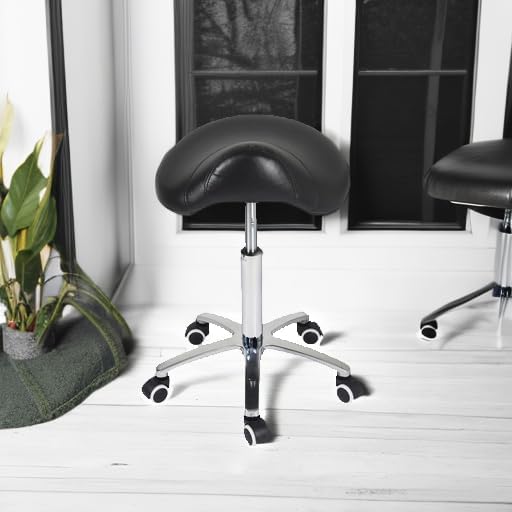
Looking for a saddle stool to improve your sitting posture? A saddle-style seat may help some people find a more upright working position, but comfort depends on the seat shape, stool height, desk setup, and individual fit. No single chair design guarantees perfect posture or prevents back pain.
This guide compares seven saddle stools and related active-sitting options for home offices, standing desks, salons, clinics, and other workspaces. We focus on practical buying factors, including back support, height adjustment, seat design, stability, and everyday usability.
The best saddle stool for better posture is one that fits your body and workstation without causing pressure or discomfort. If you want to lean back occasionally, consider a model with a backrest. If you need to move around frequently, a compact backless stool may be more practical. For long computer sessions, also compare conventional ergonomic office chairs.
Quick Comparison: 7 Saddle Stools for Better Posture
These options cover several different needs, from adjustable back support to split-seat designs and standing-desk perching. Product specifications vary by model and seller, so confirm the current listing before ordering.
| Product | Main Appeal | Back Support | Check Before Buying |
|---|---|---|---|
| DR.LOMILOMI 510 KOA | Heavy-duty option to investigate | Listed with backrest | Exact capacity and adjustment range |
| VEVOR Saddle Stool | Workstation mobility | Depends on exact model | Confirm whether the selected model includes a backrest |
| Antlu Saddle Stool with Back Support | Backrest adjustability | Yes, on the described model | Backrest range and seat height |
| YEEZEE Saddle Stool | Cushioned backless seating | No | Seat size, firmness, and height range |
| Kaleurrier Ergonomic Saddle Stool | Budget-oriented backrest option | Listed with backrest | Warranty terms and exact dimensions |
| Kanewell Twin Compact Saddle Chair | Split-seat design | Check the exact configuration | Availability, fit, and adjustment options |
| SONGMICS Ergonomic Wobble Stool | Perching at a standing desk | No, on the described wobble style | Height range, base stability, and rated load |
The table summarizes intended use, not independently verified product test results. Confirm the exact model’s specifications, current price, warranty, and availability on the seller’s page.
How Can a Saddle Stool Affect Sitting Posture?
A saddle stool has a contoured seat that places the legs on either side of the seat. Depending on its shape and height, this design may make it easier to sit close to a work surface and adopt a more upright position. Some users find that position comfortable, while others prefer a flatter seat or a conventional office chair.
It is important to distinguish a seating position from a medical benefit. A saddle stool does not automatically correct posture, prevent spinal problems, or relieve back pain. Its usefulness depends on the person, the fit of the stool, the task, and how often the user changes position.
- Compact design for smaller workspaces
- Easy movement around a workstation
- Height adjustment on many models
- Contoured seat that some users prefer
- Limited or no back support
- Seat pressure or uncomfortable leg positioning
- May require a higher work surface
- Not suitable for every body shape or task
Saddle Stool vs. Traditional Office Chair
A traditional ergonomic office chair usually offers a backrest and may include lumbar support, armrests, seat-depth adjustment, and a wider seat. A saddle stool typically emphasizes a contoured seat and freedom of movement. Neither design is universally better for posture.
For computer work that involves long periods of typing, reading, or video meetings, a well-adjusted office chair may provide more options for supporting your back and arms. A saddle stool may be useful for shorter work blocks, hands-on tasks, or workstations where sitting close to the desk is important.
Explore more options in our Best Chairs guide or browse the Saddle Stools category.
7 Saddle Stools and Active-Sitting Options to Consider
1. DR.LOMILOMI 510 KOA Saddle Chair

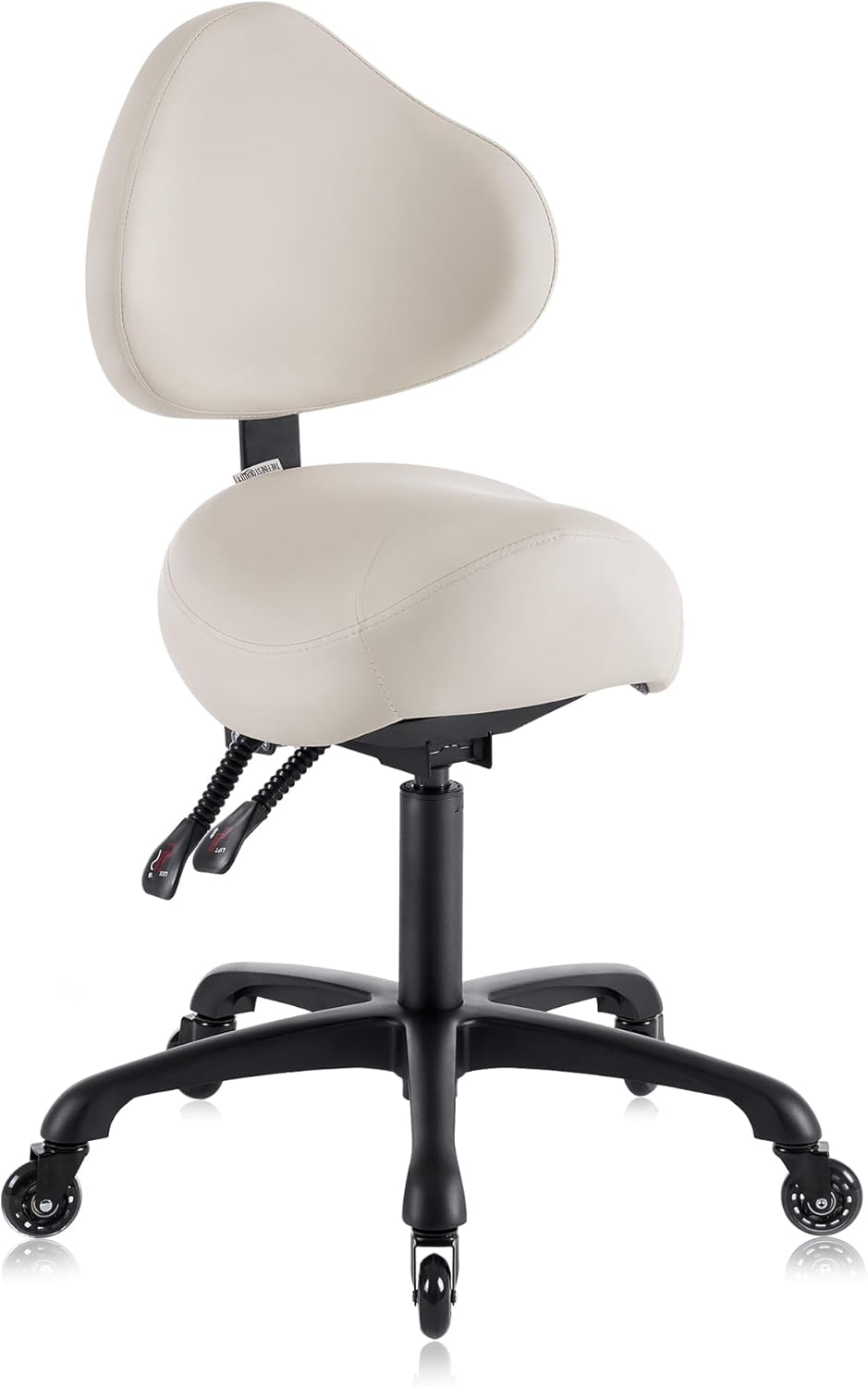
The DR.LOMILOMI 510 KOA is a saddle-style chair to consider if you prefer a contoured seat with a backrest. That combination may be useful for work that alternates between leaning toward a surface and sitting more upright.
Before choosing it for heavy-duty use, confirm the rated load, seat dimensions, height range, and backrest adjustment on the exact product listing. A higher capacity does not by itself establish that a stool will be comfortable or suitable for a particular user.
Best suited to: Buyers looking for a saddle-style seat with a backrest who need to verify a higher published load rating.
Confirm that the linked product is the 510 KOA model and that its current listing supports the capacity and features you need. Do not rely on specifications copied from another version.
2. VEVOR Saddle Stool

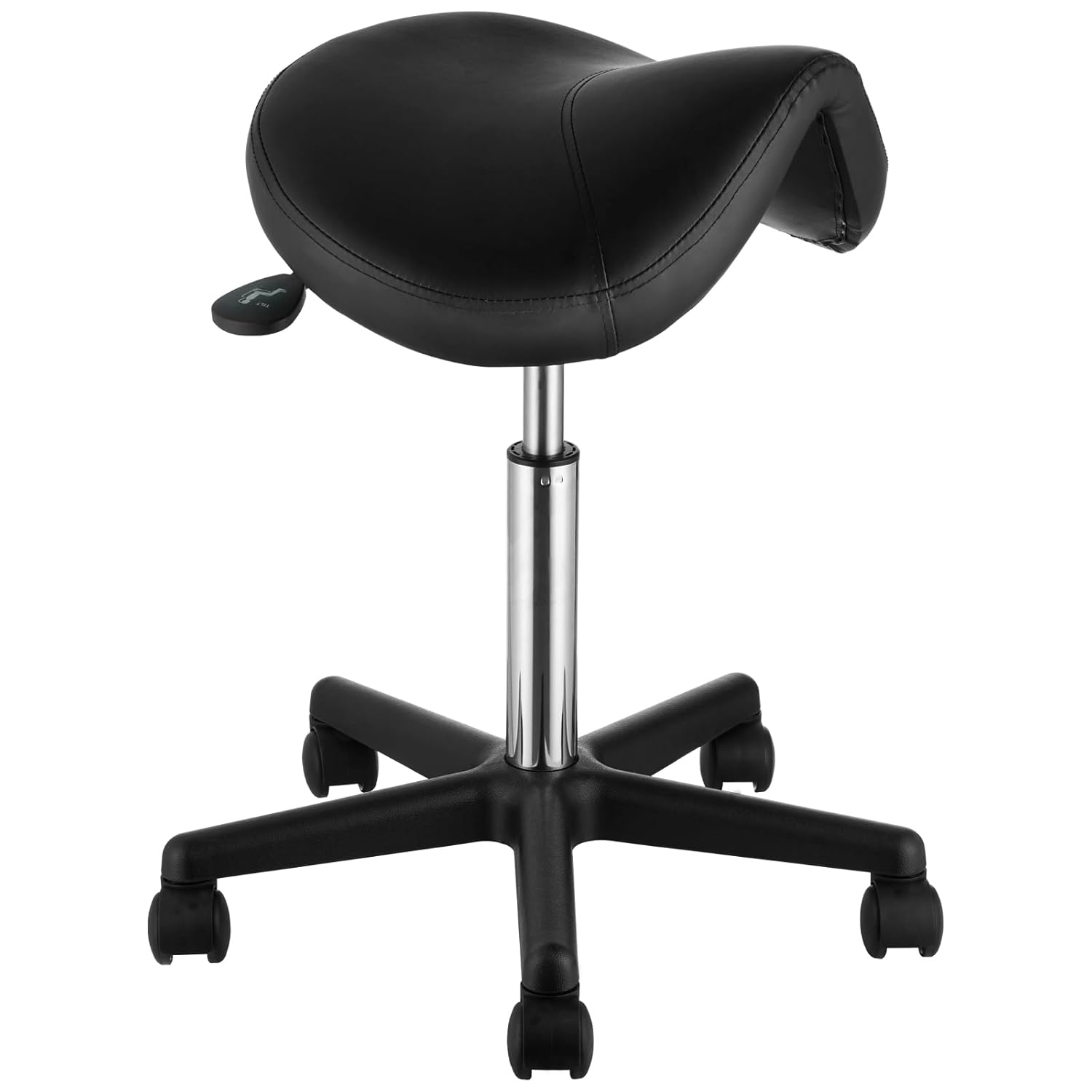
VEVOR offers stools for a range of work environments, so the exact model matters. A rolling saddle stool can be practical when you need to move between nearby tools, surfaces, or work areas without repeatedly standing up.
Look at the base, seat padding, caster design, and adjustment mechanism rather than assuming that all models under the same brand have identical features. Also confirm whether the exact stool has a backrest, since that feature varies by model.
Best suited to: Buyers who need a mobile work stool and want to compare construction and adjustment features.
Confirm the exact VEVOR model, seat shape, backrest configuration, maximum load, and height range. Product photos and descriptions for similar-looking stools may refer to different versions.
3. Antlu Saddle Stool Chair with Back Support

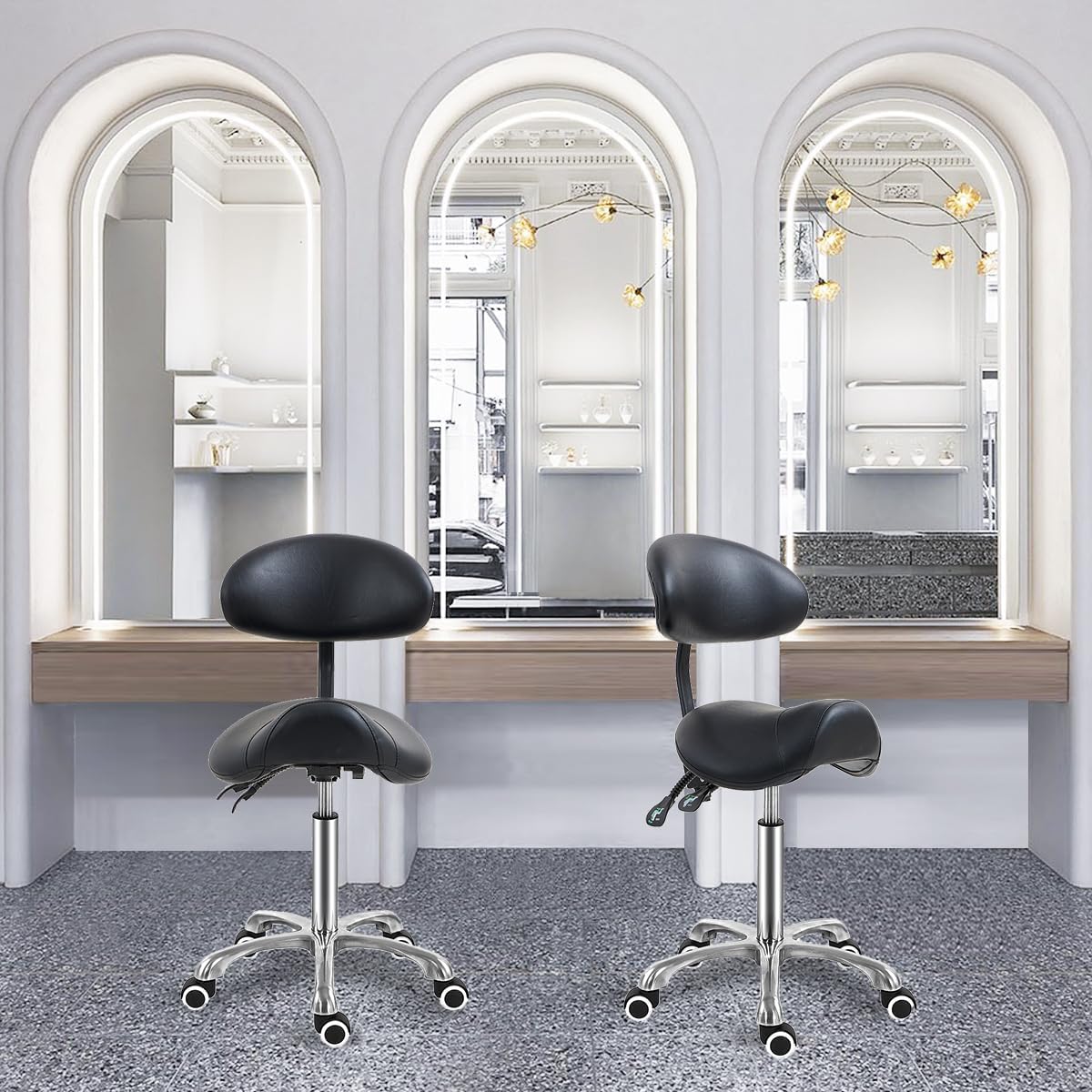
The Antlu saddle stool with back support may suit users who like a contoured seat but want somewhere to rest against during pauses in their work. It can be considered for salons, studios, clinics, and other workspaces where a mobile stool is useful.
Check whether the backrest angle and position can be adjusted to fit your body. A backrest is only useful when you can make comfortable contact with it without leaning awkwardly or moving too far away from the work surface.
Best suited to: Buyers who prefer a saddle seat with a backrest over a completely backless stool.
Verify the current height range, rated load, backrest adjustment, and assembly requirements. Treat advertised lumbar-support benefits as design claims, not a guarantee of pain relief.
4. YEEZEE Saddle Stool

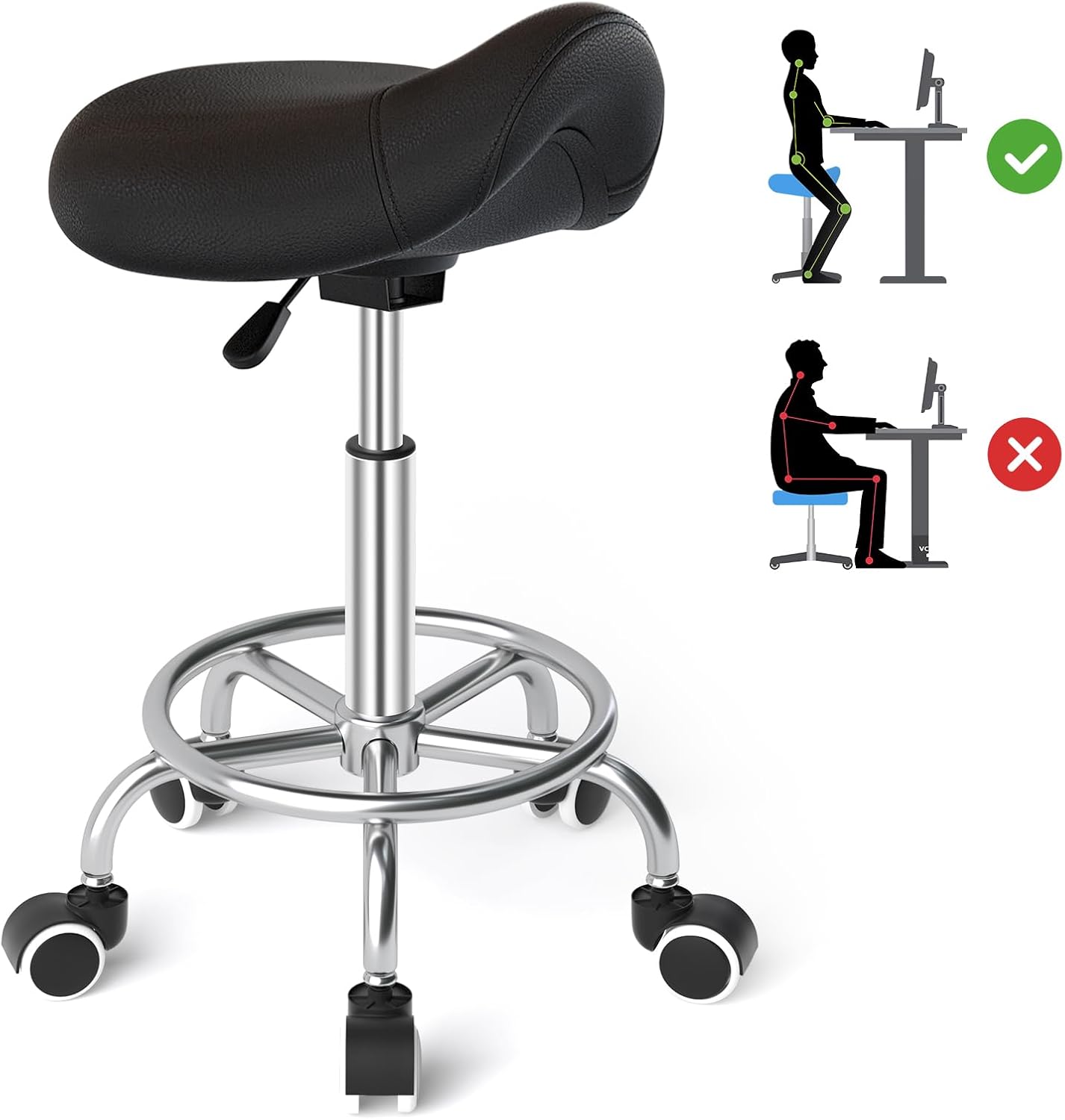
The YEEZEE saddle stool is an option for users who prefer a padded, backless seat. Its compact format may suit task-based work where freedom to move and easy access to a work surface matter more than leaning back.
Cushion thickness alone does not determine comfort. Seat width, contour, firmness, upholstery, and your own leg position all affect how a saddle stool feels. If you experience pressure or numbness, do not assume you simply need to get used to the seat.
Best suited to: Users who prefer a backless saddle stool and want to compare cushioning and dimensions.
Check the actual seat measurements, upholstery, height range, and rated load. Verify any claims about foam type or certifications on the current listing for the exact model.
5. Kaleurrier Ergonomic Saddle Stool
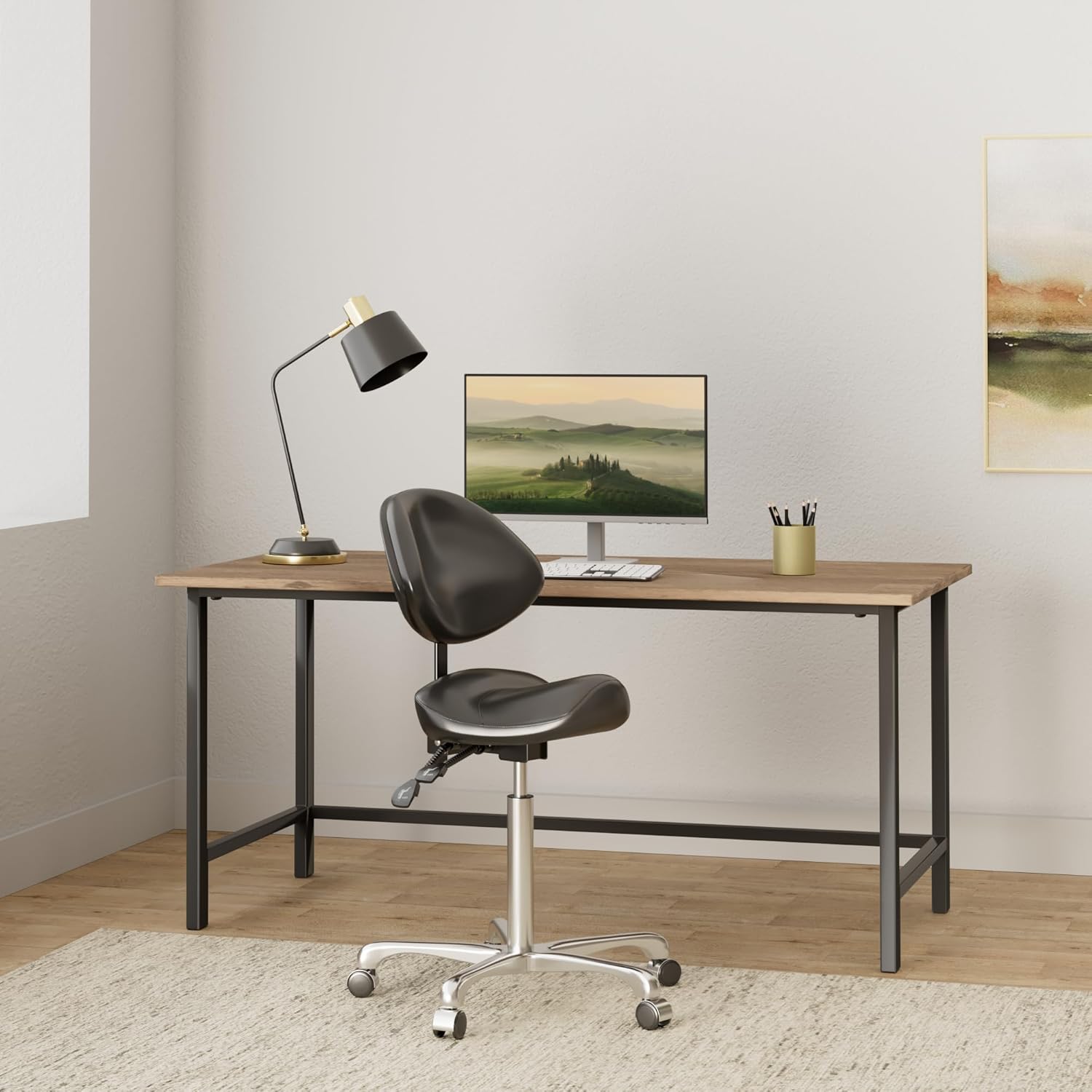
The Kaleurrier ergonomic saddle stool is worth comparing if you want a saddle-shaped seat with a backrest without immediately moving to a premium-priced option. The fit of the seat and the placement of the backrest should guide your decision.
For frequent daily use, look beyond the advertised price. Check the warranty terms, replacement-part availability, caster quality, and whether the seat height fits your desk. A lower-priced stool is not a good value if it does not fit your workstation.
Best suited to: Buyers looking for a saddle stool with back support who want to compare overall value.
Verify the current warranty, seat dimensions, rated load, and backrest configuration. Warranty coverage can differ by component and may have specific conditions.
6. Kanewell Twin Compact Saddle Chair

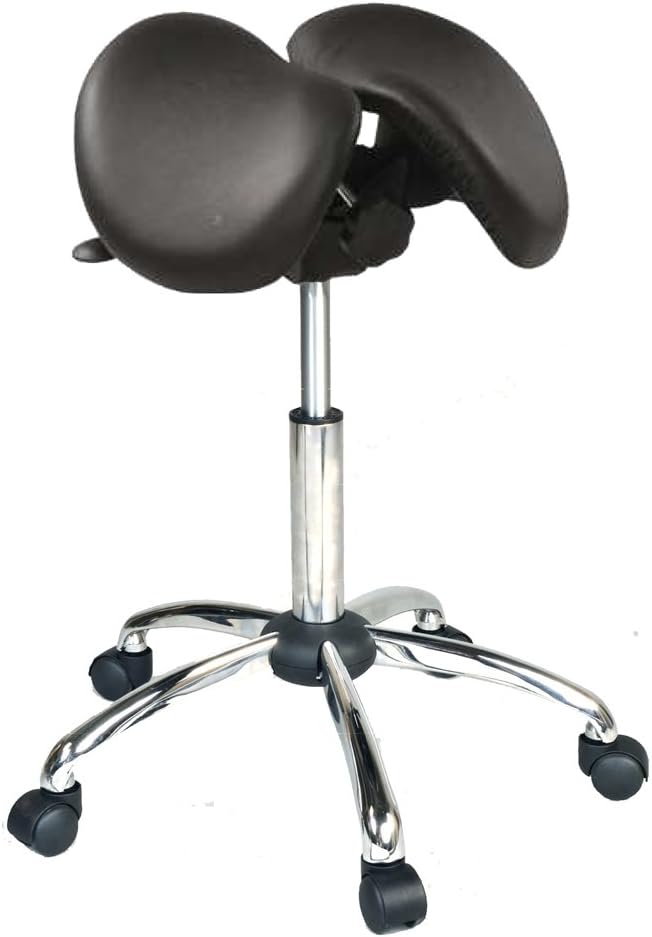
A split-seat saddle chair uses two seat sections rather than one continuous saddle surface. Some users may prefer this arrangement, but the fit depends on the width of the gap, the shape of the seat sections, and how the chair is adjusted.
Do not assume a split seat automatically improves circulation, correct posture, or reduces pelvic pressure for every user. Compare the design with a conventional saddle seat and check the exact configuration, adjustment options, and availability before purchasing.
Best suited to: Buyers who specifically want to explore a split-seat saddle design.
This link opens an Amazon search rather than a confirmed single-product page. Confirm the brand, model, configuration, seller, and return policy before ordering.
7. SONGMICS Ergonomic Wobble Stool

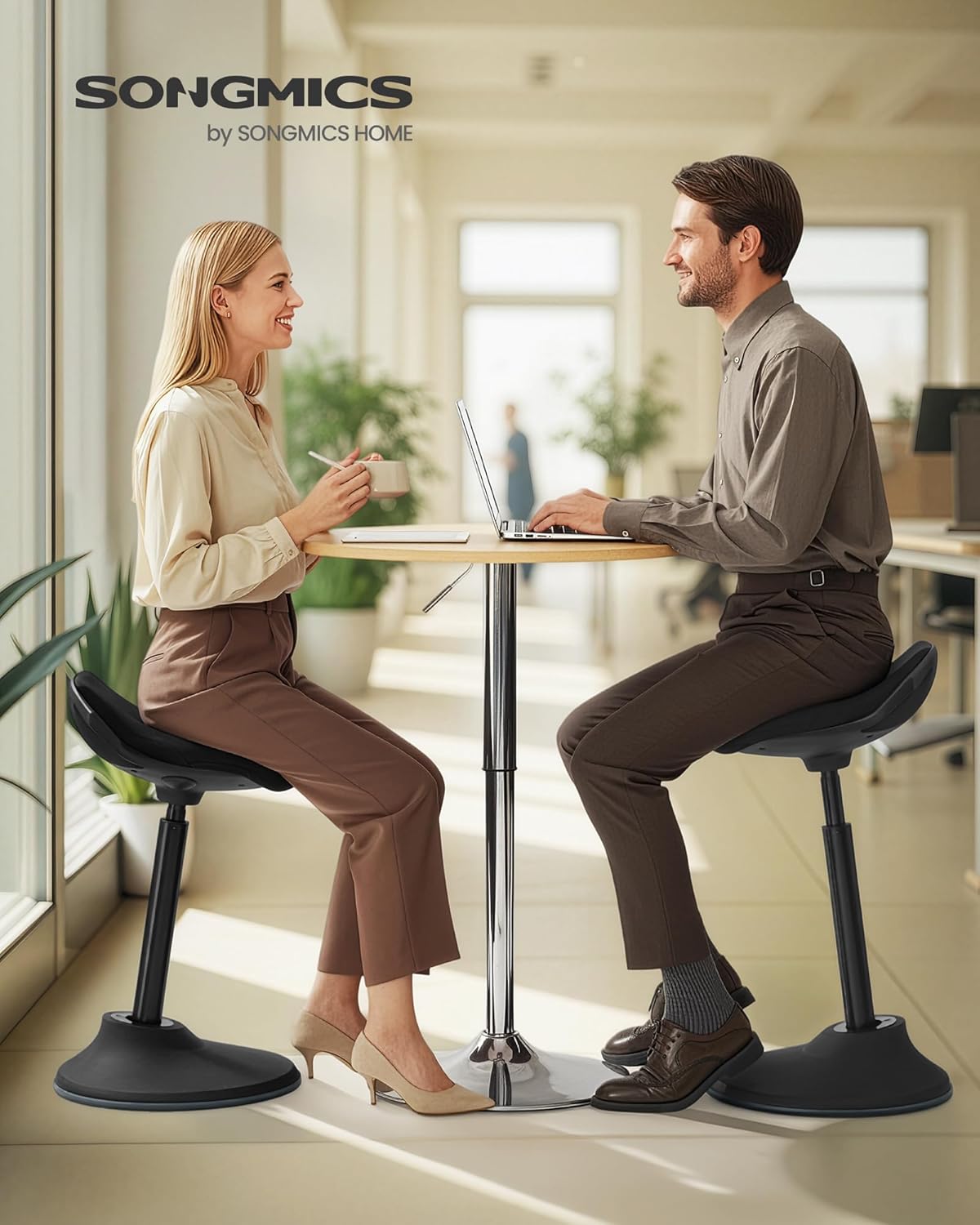
The SONGMICS wobble stool is a different type of active-sitting option. Rather than using a conventional saddle seat on a rolling base, a wobble stool is designed to allow some movement while you perch at a work surface.
This style may suit a height-adjustable desk, but it is not a direct substitute for a saddle stool or a supportive office chair. Confirm the minimum and maximum seat heights, base design, and rated load, and make sure you can use it without feeling unstable.
Best suited to: Standing-desk users who want a perching option and are comfortable with a moving base.
Confirm that the linked listing matches the pictured model. Check the current height range, maximum load, base stability, and suitability for your floor and work surface.
How to Adjust a Saddle Stool for Better Posture
Seat design alone does not determine posture. The stool should fit your body and work surface so you can work without excessive reaching, shoulder elevation, or uncomfortable pressure.
Choose a height that lets you reach your work surface without raising your shoulders or leaning forward excessively. If your feet do not have secure support, use an appropriate footrest or choose a stool with a more suitable height range.
Allow your legs to rest naturally on either side of the saddle. Do not force your legs apart or hold a position that creates pressure in your hips, thighs, or groin.
Position your keyboard, tools, and frequently used items close enough to avoid repeated twisting or reaching. Adjust your desk and monitor to match your seated position.
Set the backrest so you can rest against it without arching your back or sliding forward. A backrest should fit your body and work habits rather than force you into one rigid position.
Alternate between sitting, standing, and moving when possible. There is no single posture that is ideal for everyone or intended to be held continuously throughout the day.
A saddle stool is not a treatment for a back condition. If a stool causes persistent pain, numbness, or pressure, stop using it or adjust the setup. Seek appropriate medical advice if symptoms continue or worsen.
What to Look for in a Saddle Stool for Posture
1. Seat Shape and Width
Saddle seats vary in curvature, width, depth, and the amount of space they leave between the legs. A seat that is too narrow may feel restrictive, while one that is too wide can push the legs into an uncomfortable position. Compare the actual measurements with your body proportions and preferred sitting style.
2. Seat Height and Desk Compatibility
Check both the minimum and maximum seat heights. A stool designed for a drafting table or standing desk may be too tall for a conventional desk. Measure the work surface and the seat height you need before buying.
3. Backrest Design
A backless stool allows movement and keeps the design compact. A model with a backrest gives you another surface to lean against during tasks that allow it. Choose according to your work habits and how well the backrest fits your body, not simply because a product is advertised as ergonomic.
4. Cushioning and Upholstery
Foam thickness is only one part of comfort. Seat shape, firmness, material, and how the cushion feels over time also matter. PU leather is often easy to wipe clean, while fabric can have a different feel and maintenance requirement. Check cleaning instructions if the stool is used in a salon, clinic, or workshop.
5. Base Stability and Casters
Look for a stable base and casters suited to your flooring. If your work requires precision, consider whether locking casters or a stationary base would be more appropriate. Check the manufacturer’s rated load and instructions rather than assuming similar-looking stools share the same capacity.
6. Back Support Versus Freedom of Movement
If you want to lean back during breaks or between tasks, consider a saddle stool with a backrest. If you need to move frequently around a workstation, a backless model may be more convenient. If your primary activity is computer work, compare both options with a conventional ergonomic chair.
7. Warranty and Replacement Parts
For frequent use, check the warranty, replacement-part availability, gas-lift details, and return policy. Customer reviews may help identify recurring issues, but confirm specifications with the manufacturer or the current listing whenever possible.
Saddle Stool vs. Split-Seat Stool vs. Wobble Stool
| Feature | Saddle Stool | Split-Seat Stool | Wobble Stool |
|---|---|---|---|
| Seat design | One contoured saddle surface | Two separated seat sections | Usually a compact perch seat |
| Movement | Depends on base and casters | Depends on model and adjustment | Designed to allow some rocking or tilting |
| Backrest | Optional on some models | Depends on configuration | Usually absent |
| Key consideration | Seat shape and leg position | Split width and individual fit | Balance, stability, and desk height |
These designs offer different seating experiences, not guaranteed levels of posture improvement. The right choice is the one that allows you to work comfortably and change positions as needed.
Frequently Asked Questions
Are saddle stools good for posture?
A saddle stool may help some people adopt a more upright position, depending on the seat shape, height, and work surface. It does not automatically correct posture or prevent back pain. Fit and the ability to change positions remain important.
What is the best saddle stool for better posture?
There is no single best model for everyone. If you prefer back support, compare the Antlu or Kaleurrier options and check their current specifications. If you prefer a backless seat, compare the YEEZEE model. Choose based on fit, adjustment range, and how you plan to use the stool.
Do saddle stools help with lower back pain?
Some users may find a saddle stool comfortable, while others may experience more pressure or fatigue. It is not a proven treatment for lower back pain. If sitting causes persistent discomfort, review your setup and seek appropriate medical advice if needed. Read our guide to saddle stools and back pain for more detail.
Should I choose a saddle stool with a backrest?
Consider a backrest if you want somewhere to lean during tasks that allow it. Check whether the backrest can be adjusted to fit your body and whether it interferes with reaching your work surface. A backrest is not a substitute for correct seat height and workstation setup.
Can I use a saddle stool with a standing desk?
Yes, provided the stool reaches a suitable height for your desk and remains stable at that height. Measure the work surface and confirm the stool’s full adjustment range before purchasing. A wobble stool may be another option if you prefer a perching style.
How long does it take to get used to a saddle stool?
Adjustment time varies from person to person. Start with shorter sessions and increase use only if the seat remains comfortable. Persistent pain, numbness, or pressure should not be treated as something you must endure while adapting.
Is a split-seat saddle stool better than a regular saddle stool?
Not for everyone. A split-seat design changes how the seat contacts the body, and some users may prefer it while others may not. Compare seat dimensions, the gap between the sections, adjustment options, and your own comfort instead of assuming that split seats are always superior.
Can a saddle stool replace an ergonomic office chair?
It can serve as a primary seat for some work tasks, but it may not offer the backrest, arm support, or seat adjustments that many people want for long computer sessions. Consider alternating seating positions or using a conventional ergonomic chair when additional support is needed. Compare options in our saddle stool vs. ergonomic chair guide.
Final Verdict: Which Saddle Stool Should You Choose?
The best saddle stool for better posture is the one that fits your body, your work surface, and the tasks you perform. A contoured seat may suit some users, but no particular design guarantees better posture or freedom from pain.
Compare the Antlu and Kaleurrier models, focusing on backrest fit, seat height, and current specifications.
Compare the YEEZEE option by seat dimensions, cushioning, and height adjustment.
Explore the Kanewell split-seat design if its configuration and availability meet your needs.
Compare the SONGMICS wobble stool with a height-adjustable saddle stool to find a stable, comfortable perch.
Before purchasing, verify the exact model, seat dimensions, height range, maximum load, return policy, and warranty. If you spend most of your day at a computer, compare saddle stools with conventional ergonomic chairs and make room for regular movement throughout your workday.
Disclosure: SitBetterLab may earn a commission from qualifying purchases made through affiliate links, at no additional cost to you. Product availability, specifications, and prices may change. Confirm details on the seller’s current product page before buying.