
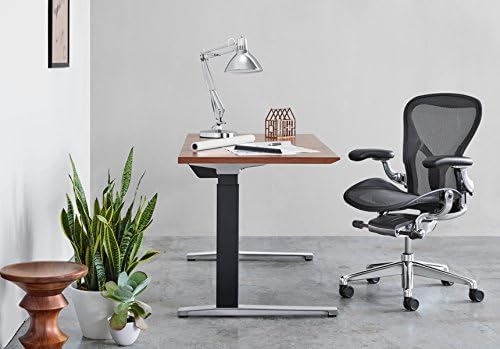
Finding the best office chair for short people can be difficult when standard office chairs have seats that are too high, too deep, or difficult to adjust. This 2026 guide compares ergonomic office chairs and explains what to look for if you’re 5’0″, 5’3″, 5’4″, or generally shorter than average.
The best office chair for short people is not simply a smaller version of a standard office chair. Shorter users often need a lower minimum seat height, an appropriately shallow or adjustable seat depth, adjustable lumbar support, and armrests that can be positioned comfortably relative to the desk.
A chair that is too large can make it difficult to sit fully against the backrest while keeping your feet supported. A seat that is too deep may also place pressure behind the knees or encourage you to slide forward.
For this reason, this guide focuses on seat height, seat depth, lumbar positioning, armrest adjustment, recline, and overall fit rather than simply looking at the number of ergonomic features a chair advertises.
Important: Chair specifications and configurations can change. Always check the manufacturer’s current dimensions and the exact configuration you are purchasing before ordering.
Short People Office Chair Guides
This guide is part of the SitBetterLab resources for shorter office-chair users. Use the related guides below for specific height, leg-length, and foot-support questions.
Quick Picks: Best Office Chairs for Short People
The right office chair for a shorter person is usually determined by adjustment range rather than by a “petite” label. The table below highlights the dimensions and adjustment features that are most relevant when comparing these chairs.
| Chair | Short-User Fit Factor | Key Adjustment | Best For |
|---|---|---|---|
| Steelcase Leap | 15.5″ minimum seat height | 15.75″–18.75″ adjustable seat depth | High adjustability |
| Herman Miller Aeron A | 14.4″ minimum seat height | 16″ seat depth | Smaller overall fit |
| SIHOO Doro C300 Pro | Adjustable seat height | Adjustable seat depth | Value and adjustability |
| HON Ignition 2.0 | Adjustable seat height | Configuration-dependent | Home office |
| Clatina Mellet | Check current model specifications | Check current model specifications | Budget shoppers |
How We Evaluate Office Chairs for Short People
For this guide, we focus on published chair dimensions and adjustment features that directly affect fit for shorter users rather than relying on “petite” or “ergonomic” marketing language.
- Seat height: We look at the lowest available seat-height setting because a chair that remains too high can make stable foot support difficult.
- Seat depth: Adjustable or relatively compact seat dimensions can provide more flexibility for shorter thighs.
- Lumbar adjustment: Adjustable support can make it easier to position the back support relative to your lower back.
- Armrest adjustment: Height and width adjustment can improve compatibility with your desk and keyboard position.
- Recline: A flexible back angle allows users to change position instead of remaining in one fixed posture.
- Specifications: We recommend checking the manufacturer’s current dimensions and exact configuration before purchasing.

1. Steelcase Leap
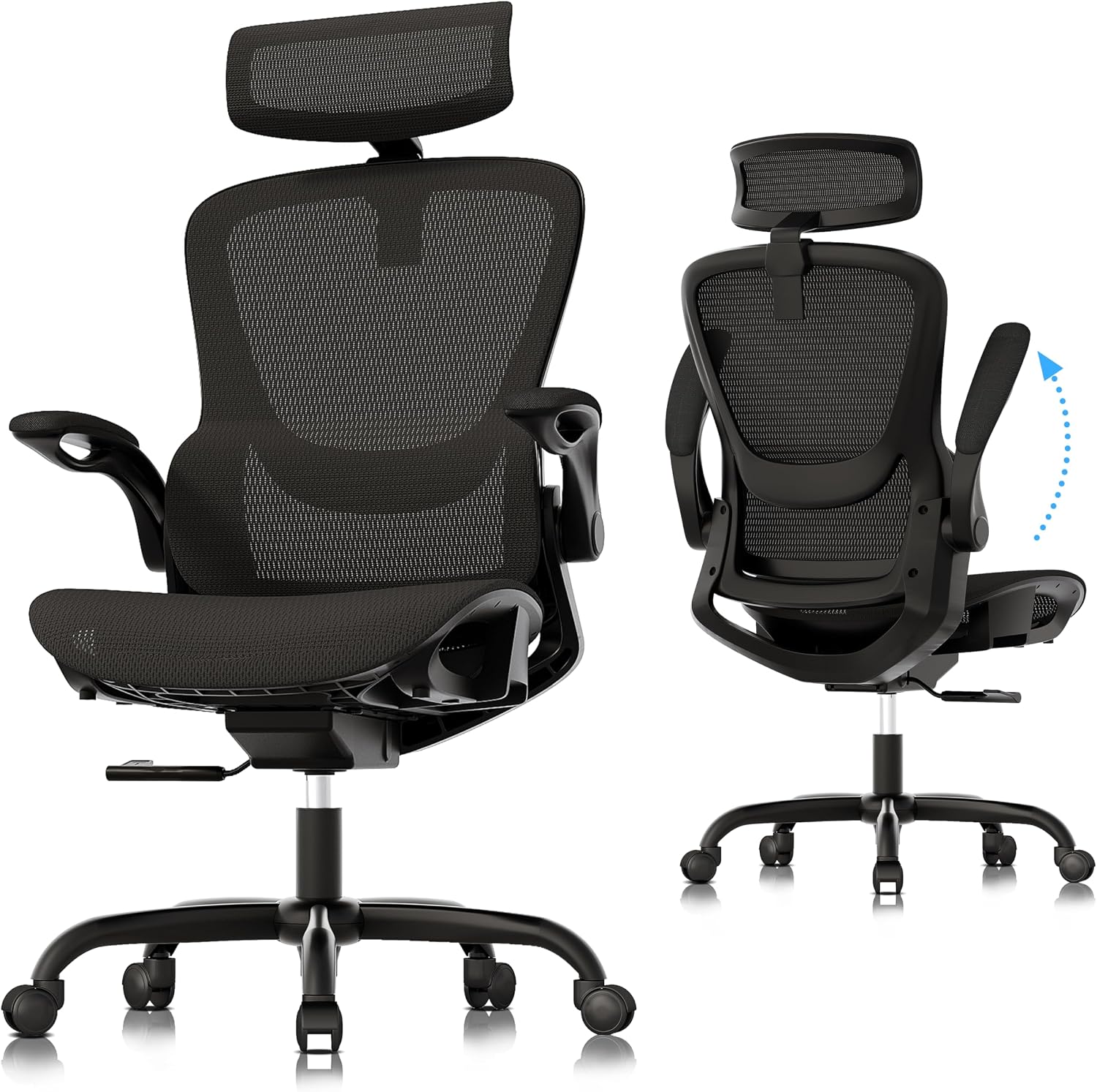
The Steelcase Leap is particularly interesting for shorter users because its seat depth can be adjusted instead of remaining fixed. The standard work-chair configuration has a seat-height range of approximately 15.5 to 20.5 inches, while the seat depth can be adjusted from approximately 15.75 to 18.75 inches.
That combination matters because shorter users often need to fine-tune both how high they sit and how far forward the seat extends under their thighs. The Leap also provides adjustable lumbar height and multiple arm and recline adjustments, although the exact configuration can vary.
Why consider it for shorter users:
The adjustable seat depth allows the effective sitting surface to be shortened when the standard seat feels too deep.
- Adjustable seat depth
- Adjustable lumbar support
- Flexible backrest and recline
- Adjustable armrests
- Wide range of ergonomic adjustments
- Useful for long work sessions

2. Herman Miller Aeron
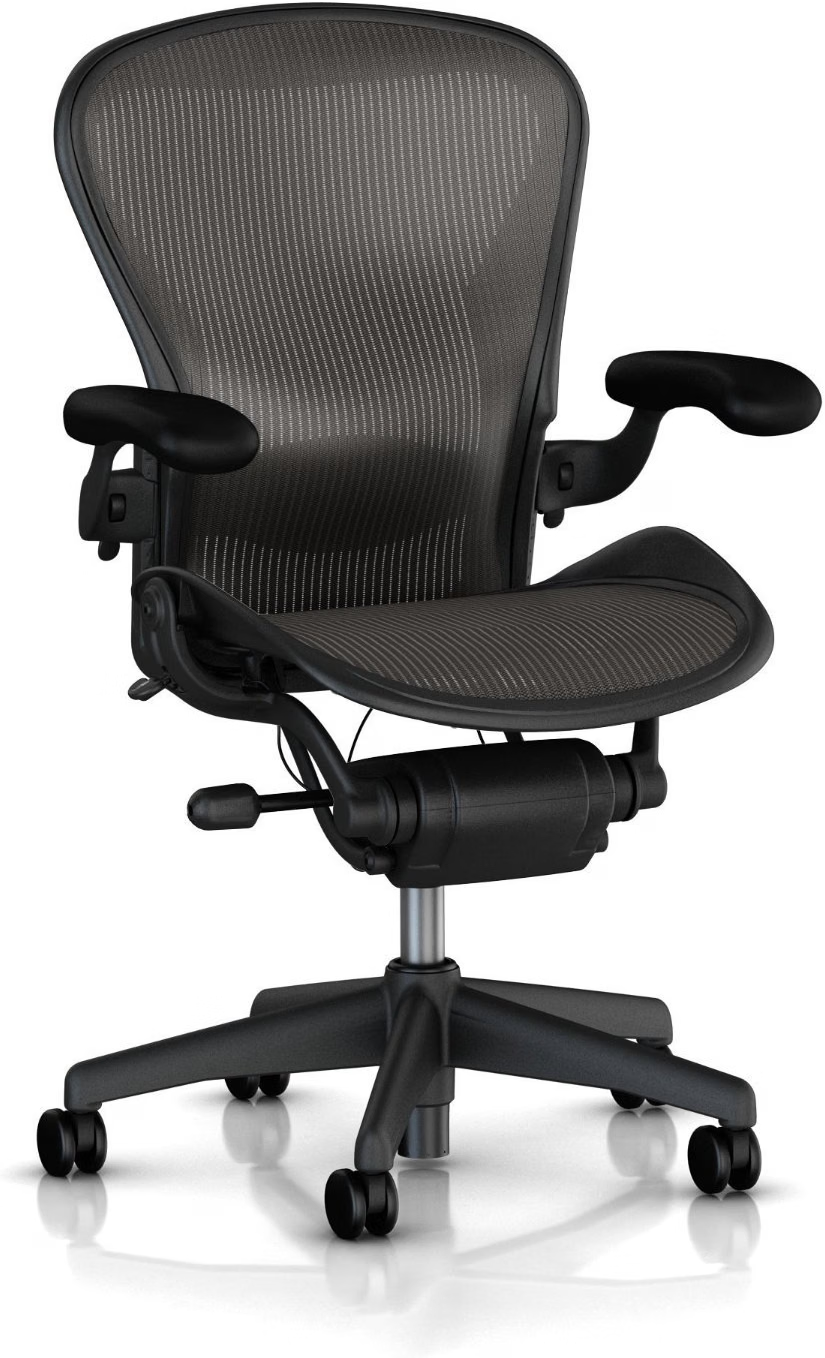
The Herman Miller Aeron is available in three standard sizes, making size selection especially important for shorter users. The smaller A Size is the configuration most relevant when lower seat height and shorter seat depth are important considerations.
According to Herman Miller’s specifications, the Aeron A has a seat-height range of approximately 14.4 to 19.3 inches and a seat depth of approximately 16 inches. The B and C sizes have deeper seats, so users should select the size based on body measurements rather than assuming every Aeron will fit the same way.
Key point:
The Aeron is not a one-size-fits-all chair. Shorter users should pay particular attention to the A Size specifications.
- Three standard chair sizes
- A Size has a 16″ seat depth
- Low minimum seat height on A Size
- Suspension-style seat and back
- Breathable materials
- Multiple ergonomic adjustment options

3. SIHOO Doro C300 Pro
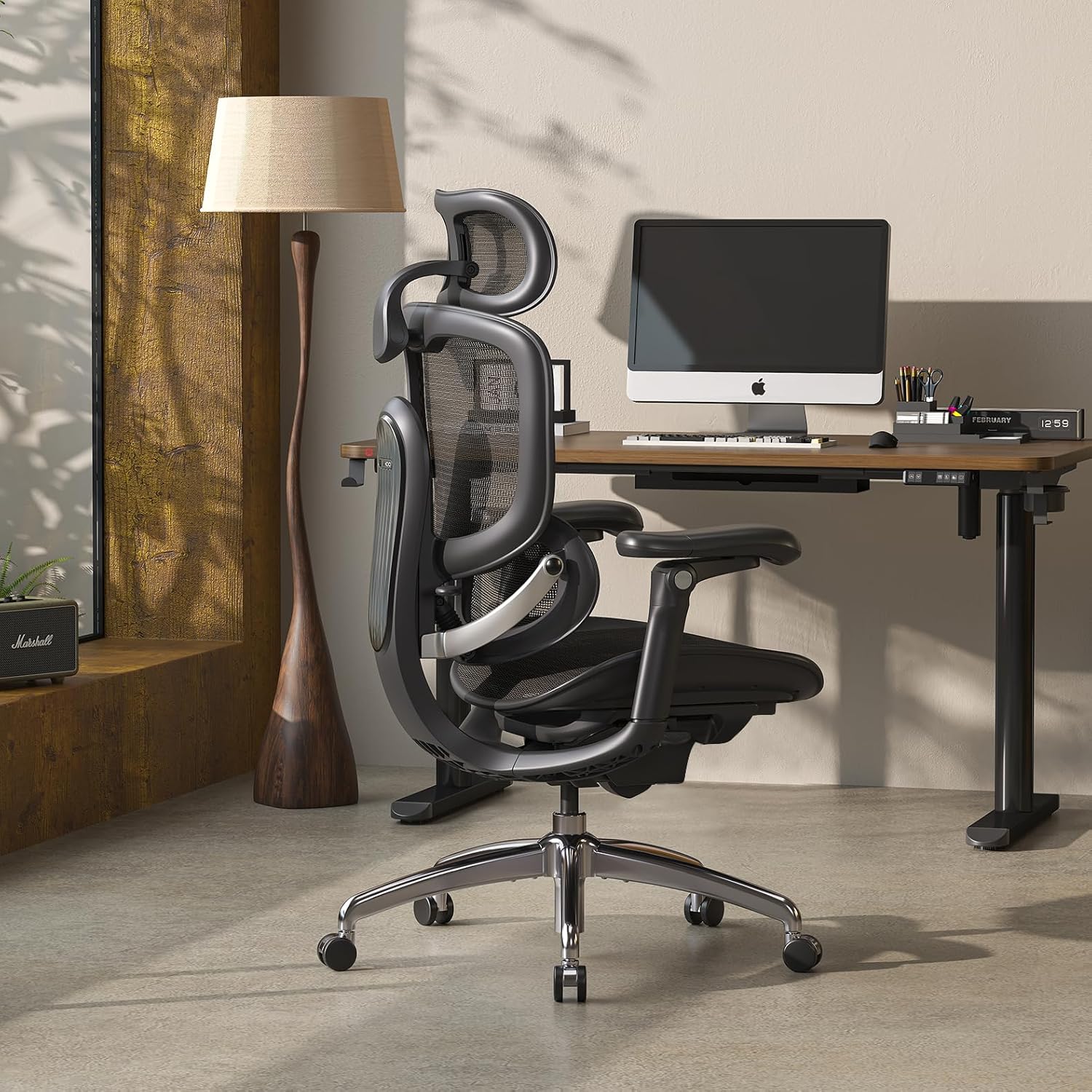
The SIHOO Doro C300 Pro is worth considering for shoppers who want a more affordable ergonomic chair with several adjustment points. SIHOO lists adjustable seat height and seat depth for the C300 Pro, which are two of the most relevant adjustments when a standard office chair feels too large.
The chair also provides recline adjustment and adjustable ergonomic support features. However, shorter users should still compare the current seat dimensions with their own measurements rather than assuming that an adjustable chair will automatically fit a petite frame.
- Adjustable seat height
- Adjustable seat depth
- Adjustable lumbar-support system
- Adjustable armrests
- Recline function
- Multiple ergonomic adjustment points

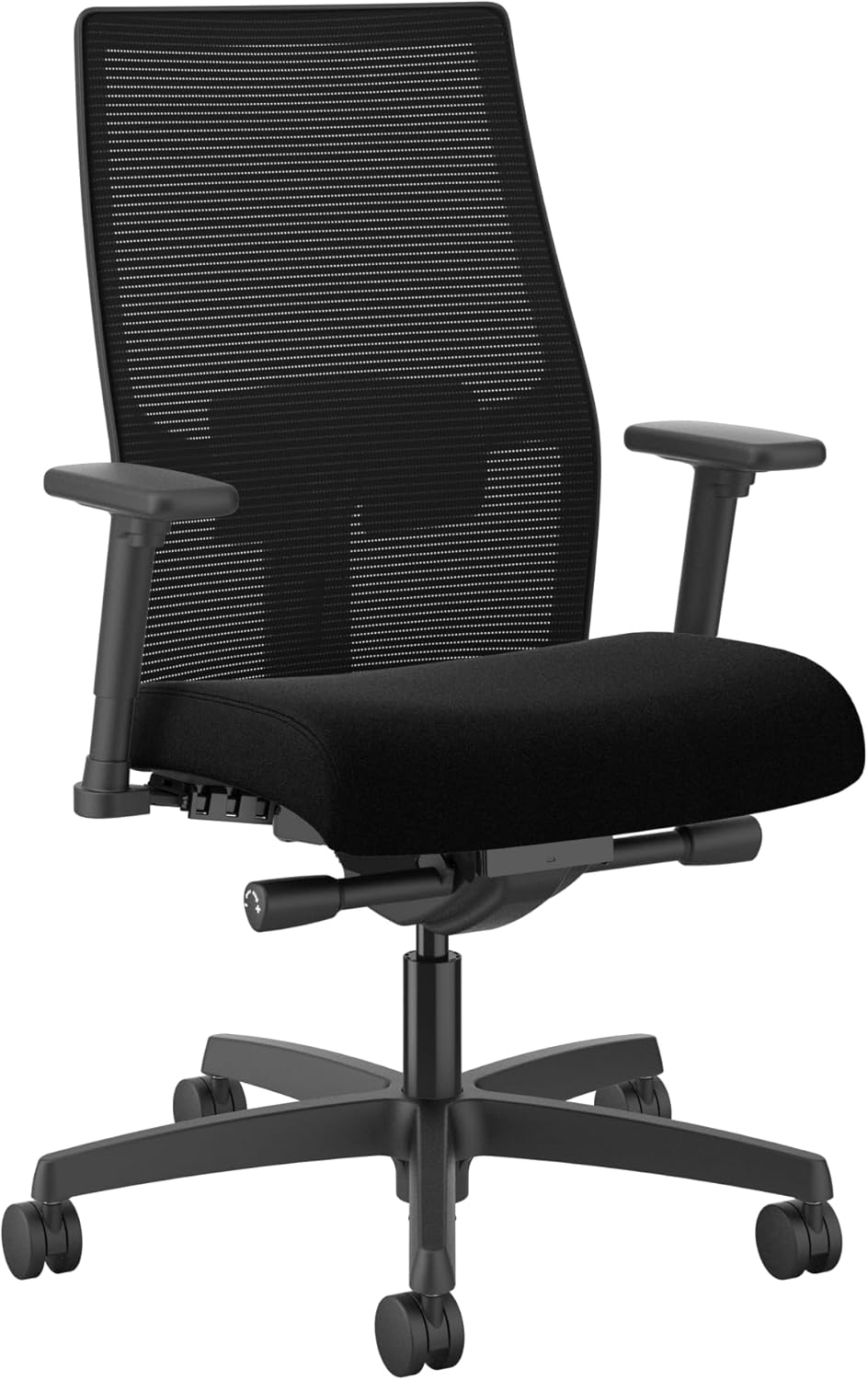
4. HON Ignition 2.0
The HON Ignition 2.0 is a practical option for a home office when you want a configurable chair rather than a fixed seating design. Current Ignition configurations can include adjustable seat height, adjustable lumbar support, and height- and width-adjustable arms.
One important consideration is that Ignition 2.0 is a product family with different configurations. Arm adjustment, back style, lumbar features, and other specifications can vary by the exact model, so check the configuration you are buying rather than relying on the Ignition 2.0 name alone.
- Adjustable seat height
- Adjustable lumbar support
- Tilt and recline controls
- Adjustable arm options on selected configurations
- Designed for everyday office use

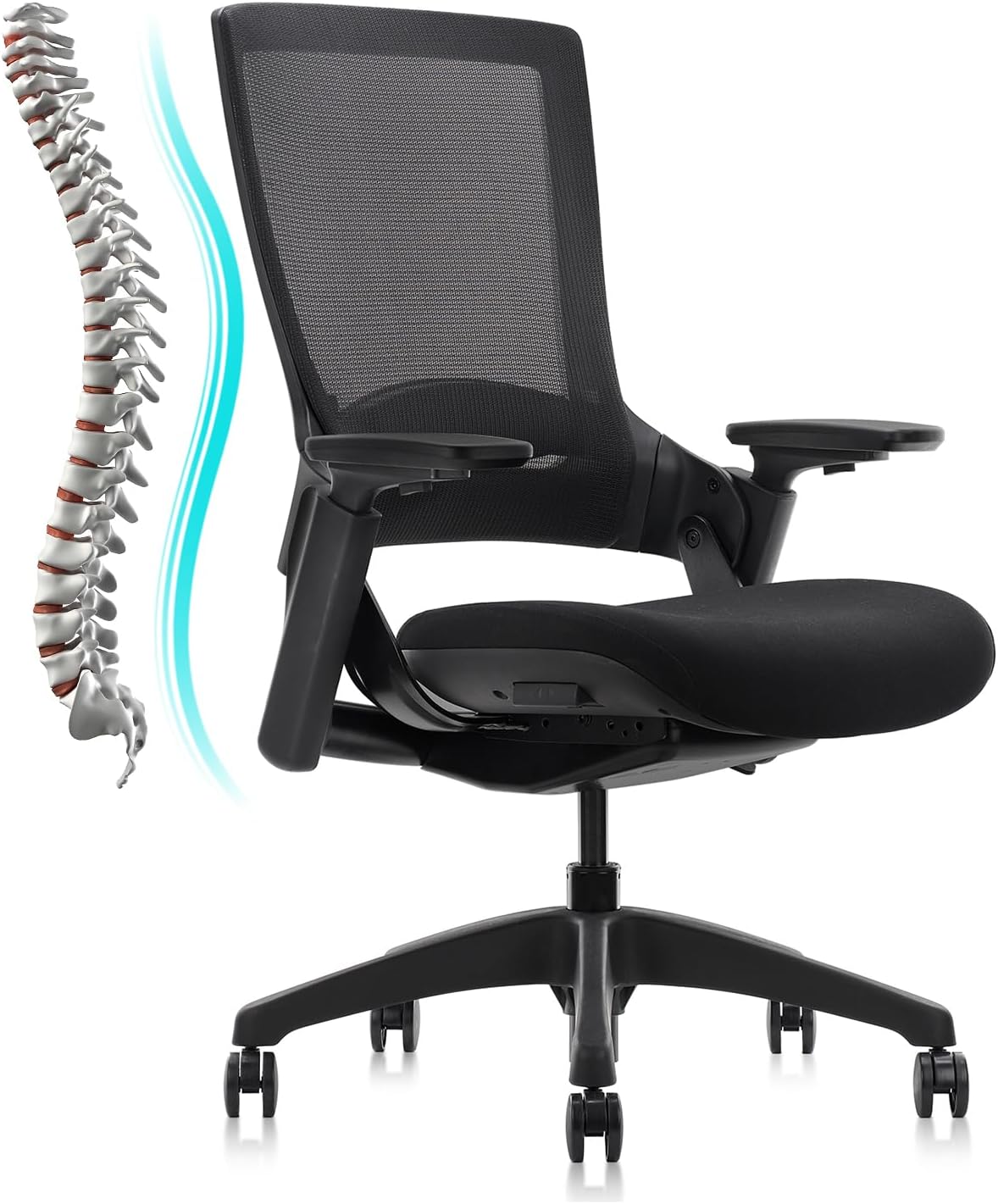
5. Clatina Mellet
The Clatina Mellet is a budget-oriented ergonomic office chair worth considering when you want a supportive office-chair design without moving into premium pricing.
Because model specifications and configurations can vary, smaller users should pay particular attention to the chair’s current seat height, seat depth, seat width, and armrest dimensions before ordering.
- Ergonomic back design
- Adjustable seating features
- Suitable for home-office setups
- Budget-oriented positioning
- Check current dimensions before purchase
What Makes the Best Office Chair for Short People?
The most important difference between a standard office chair and a chair that works well for shorter users is often the adjustment range. A chair may have excellent ergonomic features but still feel uncomfortable if the minimum seat height or seat depth is too large.
1. Low Minimum Seat Height
A shorter user may need a chair that can be lowered enough to keep both feet comfortably supported. If a chair remains too high even at its lowest setting, you may compensate by sliding forward or allowing your feet to lose stable contact with the floor.
Always check the manufacturer’s current minimum and maximum seat-height specifications instead of relying only on the chair’s general description.
2. Shallow or Adjustable Seat Depth
Seat depth is one of the most important factors when choosing an office chair for short people.
If the seat is too deep, you may not be able to sit fully against the backrest without creating pressure behind your knees. An adjustable seat pan can make it easier to position your back correctly while maintaining comfortable leg support.
If you are also comparing chairs for extended daily use, see our guide to
office chairs for long hours under $500
.
3. Adjustable Lumbar Support
The lumbar area of a chair should align reasonably well with your lower back. Shorter users may have different torso proportions from the chair’s intended average user, so adjustable lumbar positioning can be especially useful.
4. Adjustable Armrests
Armrests that are too high can push your shoulders upward. Armrests that are too wide can make it difficult to keep your arms close to your body.
Look for armrests with enough height and width adjustment to fit your desk and keyboard position.
5. Recline and Tilt Adjustment
A chair that allows you to change your back angle can make long work sessions more flexible. Rather than remaining in one fixed position, you can use the recline mechanism to change your posture periodically.
6. Seat Width
A chair for petite or smaller users does not necessarily need to be extremely narrow, but excessive width can make armrest positioning less convenient. Consider the relationship between seat width, armrest position, desk width, and your normal sitting posture.
How High Should an Office Chair Be for a Short Person?
There is no single seat-height number that works for every short person. The correct height depends on your lower-leg length, foot position, desk height, and the thickness and shape of the chair cushion.
As a starting point, sit with your back against the backrest and adjust the chair so that your feet can rest securely on the floor while your legs remain comfortable. Your thighs should be supported without the front edge of the seat creating uncomfortable pressure behind your knees.
Quick fit check:
If you have to sit on the front edge of the chair because the seat is too high or too deep, the chair may not have the right adjustment range for your body.
Best Office Chair for 5’0″, 5’3″, and 5’4″ Users
Height can be a useful starting point when choosing an office chair, but it should not be the only measurement you consider. Two people who are the same height can have different leg, torso, and arm proportions.
| User Height | Features to Prioritize | Why It Matters |
|---|---|---|
| 5’0″ | Low seat height, shallow or adjustable seat depth | Helps create a more appropriate seating position |
| 5’1″–5’2″ | Seat-height and seat-depth adjustment | Allows better adjustment to individual proportions |
| 5’3″ | Adjustable seat depth, lumbar and armrests | Helps avoid a chair that is excessively deep or tall |
| 5’4″ | Good overall adjustment range | More standard chairs may fit, but dimensions still matter |
Best Office Chair for a 5’0″ Person
At around 5’0″, minimum seat height becomes especially important. A chair with a high minimum setting may leave your feet unsupported. Adjustable seat depth can also help if the standard seat pan feels too long.
Instead of choosing a chair solely because it is marketed for petite users, check the actual seat-height and seat-depth specifications.
Best Office Chair for a 5’3″ Person
At 5’3″, you may have more options than someone who is significantly shorter, but seat depth can still be an important consideration. A chair with adjustable lumbar support, seat depth, and armrests can provide more flexibility than a fixed-design chair.
For a more focused comparison, see our
Best Office Chair for a 5’3″ Person guide
.
Best Office Chair for a 5’4″ Person
At 5’4″, many standard ergonomic chairs may become easier to fit, but there is still no universal ideal size. Check the chair’s minimum seat height, seat depth, and armrest range before buying.
Best Office Chairs for Short Legs
Overall height does not always tell you how an office chair will fit. If you have relatively short legs, seat height and seat depth can become more important than your total height.
For a more detailed discussion of lower seat heights and shorter leg proportions, see our
Best Office Chair for Short Legs
guide.
How Do I Know if an Office Chair Is Too Big for Me?
An office chair may be too large if you cannot sit comfortably against the backrest while keeping your feet supported on the floor.
- Your feet do not rest comfortably on the floor at the lowest seat setting.
- The seat extends too far under your thighs.
- You feel pressure behind your knees.
- You have to slide forward to reach the backrest.
- The armrests are too high or too far apart.
- Your desk feels too low after adjusting the chair for your legs.
These signs do not automatically mean that the chair is poorly designed. They can simply indicate that its adjustment range or dimensions do not match your body proportions.
Best Office Chairs for Petite People
The terms short people, petite people, and small people are often used interchangeably when shoppers search for an office chair. However, petite does not necessarily mean a particular height.
Instead of choosing based solely on the label, compare the actual chair dimensions with your own measurements. Seat height, seat depth, seat width, backrest dimensions, and armrest positioning are more useful than marketing terminology alone.
How to Measure Yourself Before Buying an Office Chair
Instead of choosing an office chair based only on your height, measure the body dimensions that directly affect chair fit.
| Measurement | Why It Matters | What to Compare |
|---|---|---|
| Lower-leg length | Helps determine appropriate seat height | Minimum seat height |
| Thigh length | Helps evaluate seat depth | Seat depth / adjustable seat depth |
| Elbow height while seated | Helps evaluate armrest position | Armrest height |
| Desk height | Chair and desk must work together | Desk height vs. seated elbow position |
1. Measure Your Lower-Leg Length
Your lower-leg length is more directly related to seat height than your total body height. Compare your sitting position with the chair’s minimum seat-height specification.
2. Measure Your Thigh Length
Thigh length can help you determine whether a chair’s seat is likely to feel too deep. If possible, compare your measurement with the manufacturer’s stated seat depth.
3. Check Your Seated Elbow Position
Armrest height should work with your natural elbow position and desk height. This becomes especially important when a desk cannot be adjusted.
4. Measure Your Desk Height
A chair and desk should be considered together. Lowering a chair to accommodate shorter legs can sometimes make the desk feel relatively high, so desk height is an important part of the overall setup.
Common Mistakes Short Users Make When Buying an Office Chair
Choosing a Chair Only by Overall Height
A chair’s total height tells you very little about whether the seat will fit your legs. Always check the actual seat-height range and seat depth.
Ignoring Seat Depth
This is one of the common problems with oversized office chairs. If the seat is too deep, you may slide forward rather than sitting naturally against the backrest.
Buying a Chair With Fixed Armrests
If the armrests are too high or too far apart, they may interfere with a comfortable typing position. Adjustable armrests provide more flexibility.
Ignoring the Desk
Even a well-fitting chair can feel uncomfortable if the desk is too high. Chair and desk height should be considered together.
Do Short People Need an Office Chair Footrest?
Not necessarily. A footrest can be useful when a chair cannot be lowered enough for comfortable foot support or when the desk height requires a higher sitting position.
For a more detailed comparison, see our
Best Office Chair Footrest for Short Person
guide.
However, a footrest should not automatically be treated as a substitute for a chair with an appropriate seat-height range when you are choosing a new chair.
Best Features for Short People Who Sit All Day
If you work eight hours or more at a desk, adjustability becomes particularly important. Look for a chair that lets you change your sitting position rather than forcing you to remain in one configuration.
- Adjustable seat height
- Adjustable seat depth
- Adjustable lumbar support
- Adjustable armrests
- Recline and tilt control
- Comfortable seat material
- A backrest that supports your torso without forcing an unnatural position
You can also see our related guide:
Best Office Chairs for Long Hours Under $500
.
How Seat Depth Affects Shorter Users
Seat depth describes how far the seating surface extends from the front edge toward the backrest. It is particularly important for shorter users because a seat that is too deep can prevent you from sitting fully against the backrest.
For example, the Herman Miller Aeron A has a seat depth of approximately 16 inches, while the Steelcase Leap provides an adjustable seat-depth range. These designs illustrate why looking at actual dimensions can be more useful than simply searching for a chair marketed as “petite.”
Practical test:
When sitting normally against the backrest, you generally want enough seat support under your thighs without the front edge pressing uncomfortably behind your knees. Your own thigh length is therefore more useful than a universal seat-depth recommendation.
Choosing Between Different Chair Sizes
Some office chairs are offered in multiple sizes, while others use one basic frame with adjustable components. When a chair has multiple sizes, do not assume that the largest or most common size will provide the best fit.
The Herman Miller Aeron is a clear example: its A, B, and C sizes have different dimensions. For shorter users, the smaller A configuration may deserve particular attention because of its lower minimum seat height and shorter seat depth.
The key principle is simple: choose the chair based on your measurements and the manufacturer’s current specifications, not the product name alone.
FAQ: Best Office Chairs for Short People
What is the best office chair for short people?
The best chair depends on your height, leg length, torso length, desk height, and preferred seating position. Chairs with adjustable seat depth and a sufficiently low seat-height range are generally easier to customize for shorter users.
What is the best office chair for a 5’0″ person?
A chair with a low minimum seat height and relatively shallow or adjustable seat depth is a useful starting point for someone around 5’0″. Always compare the manufacturer’s current specifications with your own measurements.
What is the best office chair for a 5’3″ person?
Someone around 5’3″ may have a wider range of suitable office chairs, but adjustable seat depth remains important. Lumbar and armrest adjustment can also help fine-tune the fit. See our
5’3″ office chair guide
for more detail.
What is the best office chair for a 5’4″ person?
At around 5’4″, more standard ergonomic chairs may become easier to fit, but there is still no universal ideal chair size. Check the minimum seat height, seat depth, and armrest range before buying.
Are ergonomic chairs good for petite people?
They can be, provided the adjustment range fits the user. An ergonomic chair with a fixed seat that is too deep or too high may still be uncomfortable for a petite user.
Is a footrest useful for short people?
A footrest can help when a desk or chair cannot be adjusted sufficiently for comfortable foot support. However, it is better to start with a chair that has an appropriate seat-height range.
How deep should an office chair be for a short person?
There is no single seat-depth measurement that works for every shorter user. Your thigh length and the distance between the back of your knees and your lower back are more useful when determining whether a seat is too deep.
Is a 16-inch seat depth good for a short person?
A 16-inch seat depth can work well for some shorter users, but there is no universal ideal measurement. Your thigh length and sitting position matter more than height alone. The Herman Miller Aeron A, for example, has a seat depth of approximately 16 inches.
What seat depth is best for a 5’0″ person?
There is no single seat-depth measurement guaranteed to fit every 5’0″ user. A shorter seat depth or an adjustable seat pan can provide more flexibility because it reduces the chance that the front edge of the seat extends too far under the thighs.
Which Herman Miller Aeron size is more suitable for a shorter user?
The Aeron A is the smallest of the three standard Aeron sizes and has a shorter seat depth and lower minimum seat height than the B and C sizes. However, the correct size depends on your body measurements rather than height alone.
How do I know if an office chair is too big?
If you cannot keep your feet comfortably supported while sitting against the backrest, or if the seat extends too far beneath your thighs, the chair may not match your body dimensions. Check seat height, seat depth, and armrest positioning before deciding whether the chair is a good fit.
Related SitBetterLab Guides
Continue exploring related office-chair guides, or return to the main hub for shorter users.
Continue Exploring Short-User Office Chair Guides
If you are still comparing chair sizes, seat depths, and workstation setups, return to the main SitBetterLab hub for shorter users.
Final Buying Advice for Shorter Users
When choosing an office chair for short people, focus on fit rather than marketing labels. A low enough seat height, appropriate seat depth, adjustable lumbar support, and properly positioned armrests can make a much bigger difference than simply choosing a chair described as “ergonomic” or “petite.”
Measure yourself, compare the manufacturer’s current dimensions, check the exact chair configuration, and choose the adjustment range that best matches your body and desk.
Note:
Chair dimensions and configurations can change over time. Product specifications should be confirmed with the manufacturer or retailer before purchase. Ergonomic information on this page is general fit guidance and is not medical advice.