
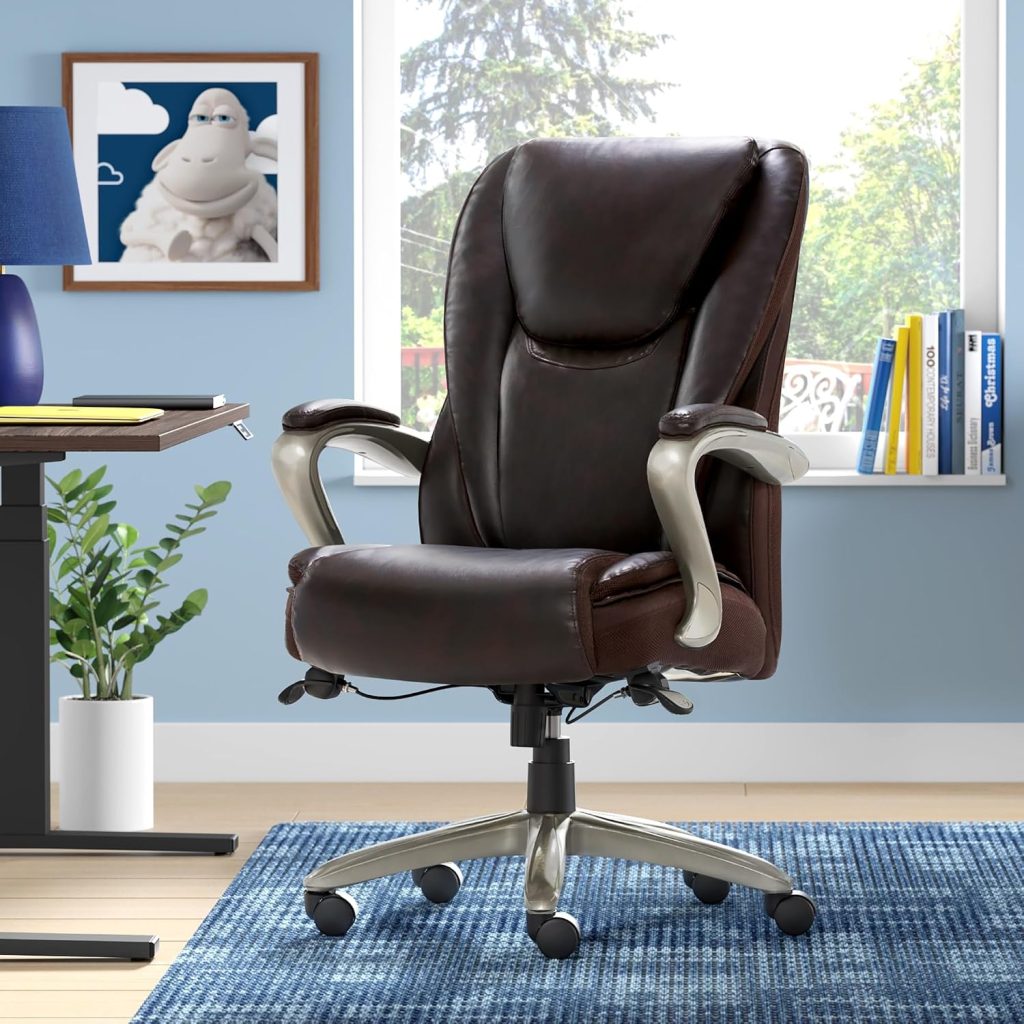
Finding the best office chair for coccyx pain is less about finding the softest chair and more about finding a seat that fits your body and lets you adjust how you sit. Seat depth, front-edge design, cushioning, back support, and recline can all affect how comfortable a chair feels during a long workday.
This guide compares seven office chairs using practical features such as seat construction, adjustability, seat depth, armrests, lumbar support, and overall fit. The goal is to help you identify a chair that matches your preferences rather than claiming that any chair can treat a medical condition.
Important: Coccyx or tailbone pain can have different causes, including injury and other medical conditions. An office chair is not a medical treatment. If pain is severe, persistent, follows an injury, or is accompanied by other concerning symptoms, consider speaking with a qualified healthcare professional.
Explore the Back Pain Chair Hub
If you’re comparing chairs for different types of back discomfort, our
Office Chairs for Back Pain Hub
collects related guides covering lower back pain, sciatica, herniated discs, upper-back concerns, and other seating topics.
Quick Answer: What Matters Most for Coccyx Comfort?
For most shoppers, the most useful features to compare are seat depth, seat-edge design, cushioning, recline, lumbar adjustment, and overall fit. A chair with a very soft seat is not automatically a better choice, and a chair without a dedicated coccyx cutout is not automatically unsuitable.
The seat should support your thighs without forcing you to slide forward or slump.
A rounded or waterfall-style front edge can be preferable to a hard, sharp edge.
Seat depth, height, recline, and armrest adjustment make it easier to fine-tune the fit.
Even a well-designed chair should be used with regular movement and position changes.
Understanding Coccyx Pain and Sitting
The coccyx, commonly called the tailbone, is located at the bottom of the spine. Pain in this area can become noticeable when sitting, particularly when a chair’s shape, firmness, or position does not work well for the individual user.
A chair that is too deep may encourage you to slide forward or round your lower back. A seat that is too high can leave your feet unsupported. A hard front edge may also create an uncomfortable pressure point beneath the thighs.
For that reason, it is more useful to evaluate the whole seating position rather than looking for a single “tailbone relief” feature.
What to Look for in an Office Chair for Coccyx Pain
1. Seat Depth
Adjustable seat depth can help you position your hips and thighs without leaving excessive pressure behind the knees.
2. Rounded Seat Edge
A waterfall or similarly rounded front edge can reduce the feeling of a hard edge beneath the thighs.
3. Cushioning
Foam, mesh, and other seat materials have different pressure and firmness characteristics. Personal preference matters.
4. Recline
A useful recline mechanism lets you change position instead of remaining fixed in one posture throughout the day.
5. Lumbar Support
Adjustable lumbar support can make it easier to find a comfortable backrest position without relying on a fixed cushion.
6. Armrest Adjustment
Adjustable armrests can help you position your elbows without lifting or rounding your shoulders.
7 Office Chairs to Consider for Coccyx Pain
The following chairs cover several seating approaches, including foam seats, mesh seats, adjustable seat depth, and premium ergonomic designs. They are presented as options to compare, not as medical recommendations.
Serta Smart Layers Hensley
The Serta Smart Layers Hensley is a foam-cushioned executive-style chair worth considering if you prefer a softer upholstered seat rather than a mesh suspension design.
- Layered foam cushioning
- Waterfall-style front edge on applicable models
- Pneumatic seat-height adjustment
- Traditional padded office-chair design
SIHOO M57
The SIHOO M57 is a mesh ergonomic chair aimed at users who prefer a breathable seat and multiple adjustment points. Check the current configuration before buying because features can vary by version or market.
- Breathable mesh construction
- Adjustable lumbar support
- Adjustable armrests
- Recline and seat-position adjustments depending on configuration
Modway Articulate
The Modway Articulate is a budget-oriented mesh office chair that may appeal to shoppers who prioritize ventilation and basic ergonomic adjustments.
- Mesh seat and back construction
- Adjustable seat height
- Adjustable armrest configuration depending on model
- Tilt/recline mechanism
NOUHAUS Ergo3D
The NOUHAUS Ergo3D is designed around a mesh ergonomic seating approach with multiple adjustment points. It is worth comparing if seat-position adjustment is a priority.
- Mesh seating design
- Adjustable lumbar support
- Adjustable armrests
- Seat-slide/depth adjustment on applicable configuration
- Recline mechanism
Duramont Ergonomic Office Chair
Duramont’s ergonomic office chair is another option for shoppers who want an adjustable office-chair design without moving into premium-chair pricing.
- Adjustable seat height
- Adjustable lumbar support
- Adjustable armrests
- Tilt/recline mechanism
Steelcase Leap
The Steelcase Leap is a premium ergonomic chair with extensive adjustment options. Steelcase lists adjustable seat depth, height-adjustable lumbar support, arm adjustment, recline tension, and a flexible seat edge among its features. Its standard Leap chair is tested to 400 lb, while Leap Plus is a separate higher-capacity model.
- Adjustable seat depth
- Height-adjustable lumbar support
- Adjustable arms
- Recline tension and multiple recline positions
- Flexible seat edge
Herman Miller Aeron
The Herman Miller Aeron takes a different approach from foam seats, using its suspension material across the seat and back. It is available in multiple sizes, and the manufacturer provides different seat dimensions and weight limits by size. Choosing the correct size is particularly important.
- 8Z Pellicle suspension material
- Multiple chair sizes
- Adjustable seat height
- Tilt options
- Optional lumbar or PostureFit SL support depending on configuration
Coccyx-Friendly Office Chair Comparison
Instead of assigning medical ratings, this table compares the features that may matter when shopping for a chair for coccyx or tailbone discomfort. Product configurations can change, so confirm the current listing before purchasing.
| Chair | Seat Approach | Seat Adjustment | Back Support | Good Fit For |
|---|---|---|---|---|
| Serta Smart Layers Hensley | Foam / upholstered | Height | Padded back | Users who prefer cushioned seating |
| SIHOO M57 | Mesh | Multiple adjustments depending on configuration | Adjustable lumbar | Users who prefer breathable seating |
| Modway Articulate | Mesh | Basic ergonomic adjustments | Lumbar support | Budget-oriented shoppers |
| NOUHAUS Ergo3D | Mesh | Seat-position adjustment depending on configuration | Adjustable lumbar | Users wanting more adjustability |
| Duramont | Foam / upholstered | Height and ergonomic adjustments | Adjustable lumbar | Mid-range shoppers |
| Steelcase Leap | Upholstered foam | Seat depth and height | Adjustable lumbar and recline | Users who want extensive adjustment |
| Herman Miller Aeron | Suspension mesh | Size, height and tilt options | Optional lumbar/PostureFit SL | Users who prefer mesh suspension |
How to Adjust Your Office Chair for Tailbone Comfort
Even an adjustable chair needs to be configured for your body. Start with the following sequence.
Keep both feet supported by the floor or a footrest and avoid letting the chair force your legs into an uncomfortable position.
Sit fully back against the backrest and leave comfortable space between the seat edge and the backs of your knees.
Use the lumbar adjustment, if available, so the support feels comfortable rather than forcing your lower back into a fixed position.
Changing your backrest angle periodically can help you avoid remaining in exactly the same sitting position for hours.
Aim for a relaxed shoulder position rather than raising your shoulders to reach the armrests.
Don’t Ignore Movement During Long Workdays
A chair should not be treated as a way to remain completely stationary for an entire workday. If your work allows it, change position regularly and stand or walk periodically.
- Change sitting position throughout the day.
- Stand or walk during suitable work breaks.
- Avoid remaining on the very front edge of the chair for extended periods.
- Consider a sit-stand setup if your work environment allows it.
Related Sitting & Back Pain Guides
Office Chairs for Back Pain Hub →
Best Office Chairs for Lower Back Pain →
Office Chairs for Herniated Disc →
FAQ: Best Office Chair for Coccyx Pain
What is the best office chair for coccyx pain?
There is no single office chair that is best for every person with coccyx pain. Start by comparing seat depth, seat-edge design, cushioning, lumbar adjustment, recline, and overall fit. If you prefer mesh, chairs such as the Aeron, SIHOO M57, or NOUHAUS Ergo3D offer a different seating feel from upholstered foam chairs such as the Steelcase Leap.
Is a coccyx cutout necessary?
Not necessarily. Some people prefer a dedicated cutout or cushion, while others find a well-fitted conventional seat more comfortable. A cutout can change where the seat contacts the body, but it is not automatically better for every user or every cause of tailbone pain.
Are mesh chairs good for tailbone discomfort?
Mesh chairs can work well for some users because the seating surface has a different pressure and firmness profile from traditional foam. However, mesh tension and seat shape vary considerably between models, so trying the chair or checking the return policy can be useful.
Can a seat cushion be a cheaper alternative to buying a new chair?
Yes. If the existing chair has acceptable height and back support but an uncomfortable seat, a coccyx cushion can be a relatively inexpensive experiment. A cushion will not correct problems with an unsuitable chair height, seat depth, or backrest, however.
Check Coccyx Cushion Options on Amazon →
Can an ergonomic chair eliminate tailbone pain?
No. An ergonomic chair can change the seating environment, but it cannot guarantee that pain will disappear. Tailbone pain can have multiple causes, and persistent or significant symptoms may require professional evaluation.
How should I adjust my chair if sitting causes tailbone discomfort?
Start with a comfortable seat height and make sure your feet are supported. Then adjust seat depth so you can sit fully against the backrest without the front edge pressing uncomfortably behind your knees. Finally, fine-tune the lumbar support, armrests, and recline.
What should I prioritize if I sit for eight hours a day?
Prioritize a good personal fit, adjustable seat height, appropriate seat depth, comfortable seat construction, useful back support, and the ability to change position. Regular movement and breaks are also important parts of a long-workday setup.
Bottom Line
The best office chair for coccyx pain depends heavily on individual fit. Instead of choosing a chair simply because it has thick padding or a “tailbone relief” label, compare the seat depth, front-edge shape, cushioning, lumbar support, recline, armrests, and overall dimensions.
For more chair options across different types of back discomfort, continue to the
SitBetterLab Office Chairs for Back Pain Hub
.
Editorial note: Product availability, pricing, configurations, specifications, and warranty terms can change. Check the current manufacturer or retailer listing before purchasing. This article is for general informational purposes and is not medical advice.