
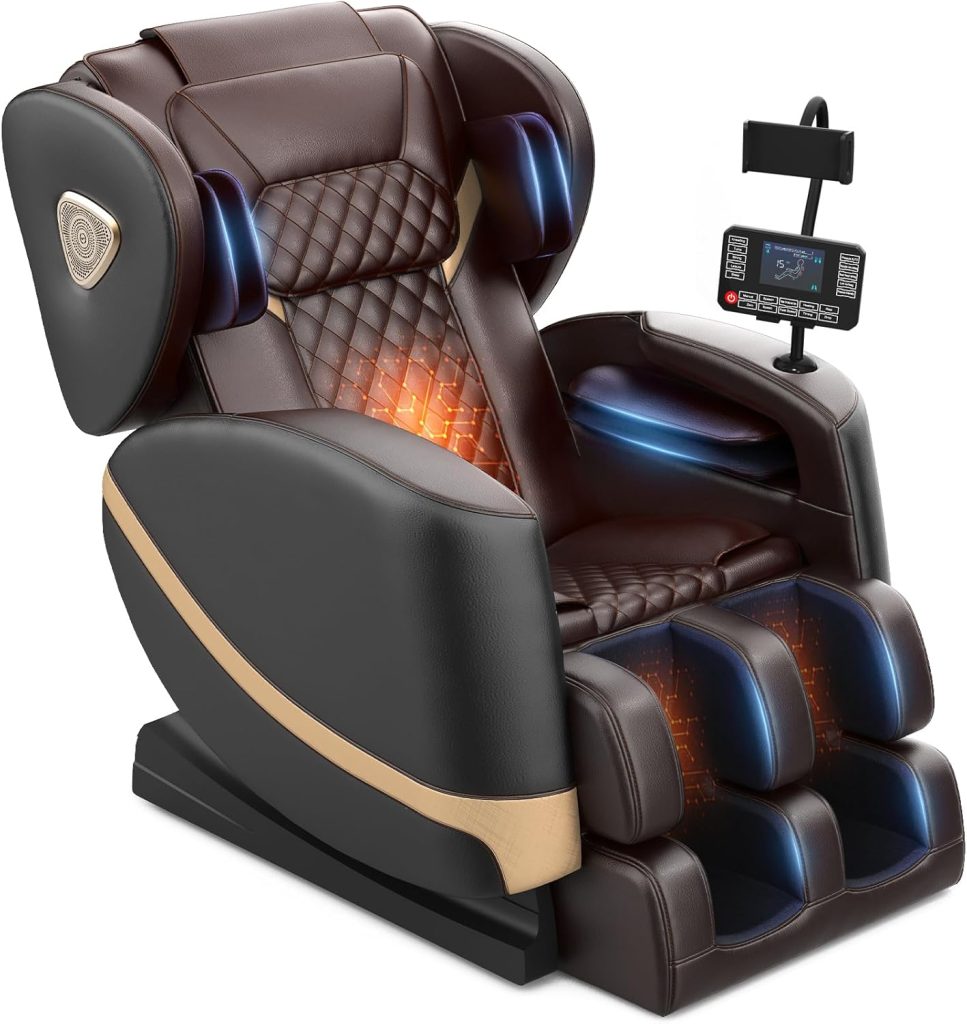
Athletes often look for massage chairs that can provide convenient full-body massage after running, cycling, lifting, or other demanding training. Instead of focusing on marketing claims about recovery, this guide compares the features that are easier to evaluate: roller type, track design, foot and calf massage, heat, stretching programs, body scanning, user fit, and price.
If you are comparing the best massage chair for athletes, start with the areas you want the chair to massage most often. Runners may place more importance on calves and feet, while weightlifters may prefer stronger back and hip coverage. Cyclists may prioritize lower-back, hip, and leg coverage.
A massage chair can be a convenient addition to a home recovery routine, but it should not be treated as a replacement for medical evaluation or professional treatment when you have an injury or persistent pain.
- 3D or 4D rollers: useful if you want adjustable roller depth and more control over massage intensity.
- SL or L-track: useful when you want massage coverage that extends below the lower back toward the glutes.
- Foot and calf massage: especially relevant for runners, cyclists, and athletes who spend a lot of time on their feet.
- Heat: useful if you prefer warmth during a massage session.
- Stretch programs: worth considering if you like assisted stretching movements.
- Body scanning: can help adjust the massage position to the user’s body dimensions.
- Fit: always check the manufacturer’s stated height and weight range before buying.
Why Athletes May Prefer a Massage Chair
Athletes frequently deal with temporary muscle tightness and fatigue after demanding training. A massage chair provides a convenient way to massage the back, hips, legs, calves, and feet at home without scheduling an appointment.
The main advantage is convenience. Instead of evaluating a chair only by the number of airbags or massage programs, athletes should consider whether the massage mechanism actually covers the body areas they care about.
Key Massage Chair Features for Athletes
1. 3D or 4D Rollers
Roller technology is one of the biggest differences between massage chairs. A conventional 2D mechanism generally moves the rollers along the track, while 3D mechanisms can change how far the rollers protrude toward the user’s body. 4D systems add additional control over roller movement such as speed and rhythm on supported programs.
For athletes, the benefit is mainly massage customization. Someone who prefers a stronger back massage may want adjustable roller depth, while another user may prefer a lighter setting.
2. SL-Track or L-Track Coverage
An SL- or L-track can extend the massage path below the lower back and into the seat area. This can be useful for athletes who want more coverage around the glutes and upper hamstrings.
However, a longer track does not automatically mean a better massage. The actual roller path, body scanning system, seat geometry, and user’s height all affect where the rollers contact the body.
3. Foot and Calf Massage
Runners and cyclists may want to pay particular attention to the lower-leg section of a chair. Some models use foot rollers, while others rely mainly on airbags or compression.
If foot massage is important to you, check whether the chair actually includes mechanical foot rollers rather than simply describing the foot area as “massaged.”
4. Heat
Heat is a common massage-chair feature, with some models providing warmth around the lower back, waist, calves, or feet.
Heat can make a massage session feel more comfortable, but it should not automatically be interpreted as a treatment for an injury or medical condition.
5. Stretching Programs
Some massage chairs include programs marketed as yoga stretch, athlete, dynamic sport, or similar names. These programs can combine reclining, airbags, roller movement, and leg positioning.
When comparing stretching features, look beyond the program name and check exactly what the chair moves. The actual experience can vary substantially between models.
6. Body Scanning and User Fit
Body scanning can help a massage chair adjust roller positions according to the user’s height and body shape. It is particularly useful when more than one person will use the chair.
Still, body scanning does not eliminate the need to check the manufacturer’s recommended height and weight range.
Massage Chairs for Athletes Compared
The following models represent different approaches to athletic recovery. Rather than ranking them from first to last, compare them according to your preferred massage style, body size, and budget.
Bob and Brad iMaster Pro 4D Massage Chair — 4D and Stretch Features
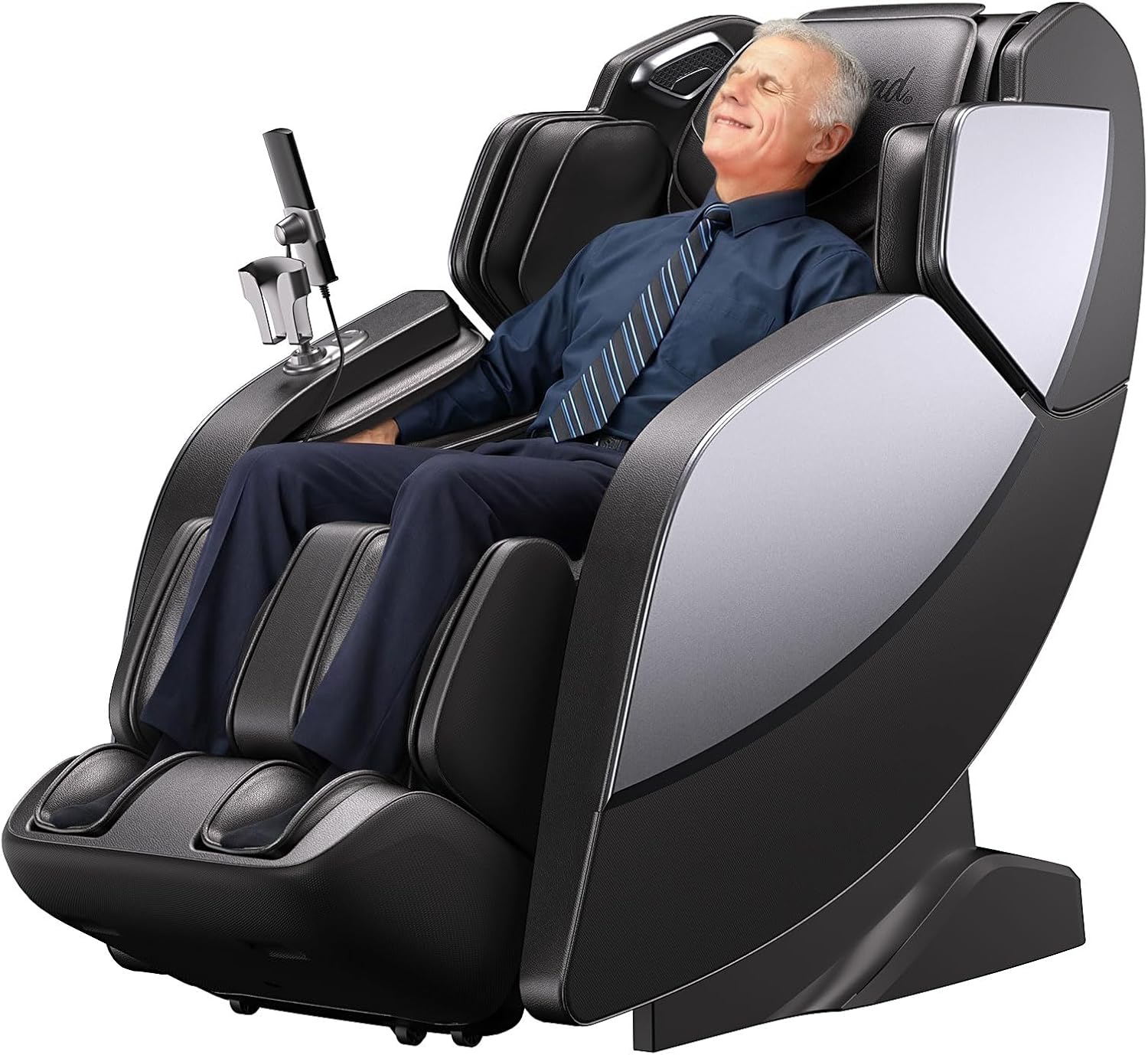

- Roller: 4D steel mechanism
- Roller travel: 10 cm
- Track: iOpen flexible track
- Recline: up to 166°
- Body scanning: Yes
- Lower-body features: leg extension and multi-zone airbags
- Foot area: heated foot rollers
- Manufacturer recommended fit: up to 6’3″ and 265 lb
- Current manufacturer-listed price: $3,299.99
The Bob and Brad iMaster Pro is particularly interesting for athletes who want a modern 4D mechanism combined with body scanning and lower-body features. Bob and Brad’s current product information lists a 10 cm 4D mechanism, 166° recline, leg extension, multi-zone air compression, and heated foot rollers.
The manufacturer also recommends the chair for users up to 6’3″ and 265 lb. That makes fit an important consideration for larger athletes.
Why consider it:
- 4D roller mechanism with adjustable depth.
- Body scanning for customized roller positioning.
- 166° recline.
- Leg extension and lower-body massage features.
- Heated foot rollers.
- Designed by Bob and Brad, who are physical therapists.
Considerations: The published user limit is 265 lb, so larger athletes should verify fit before buying. It is also a premium-priced chair.
CASINTA 4D 53.5-Inch Extended SL-Track Massage Chair — Long Track Coverage
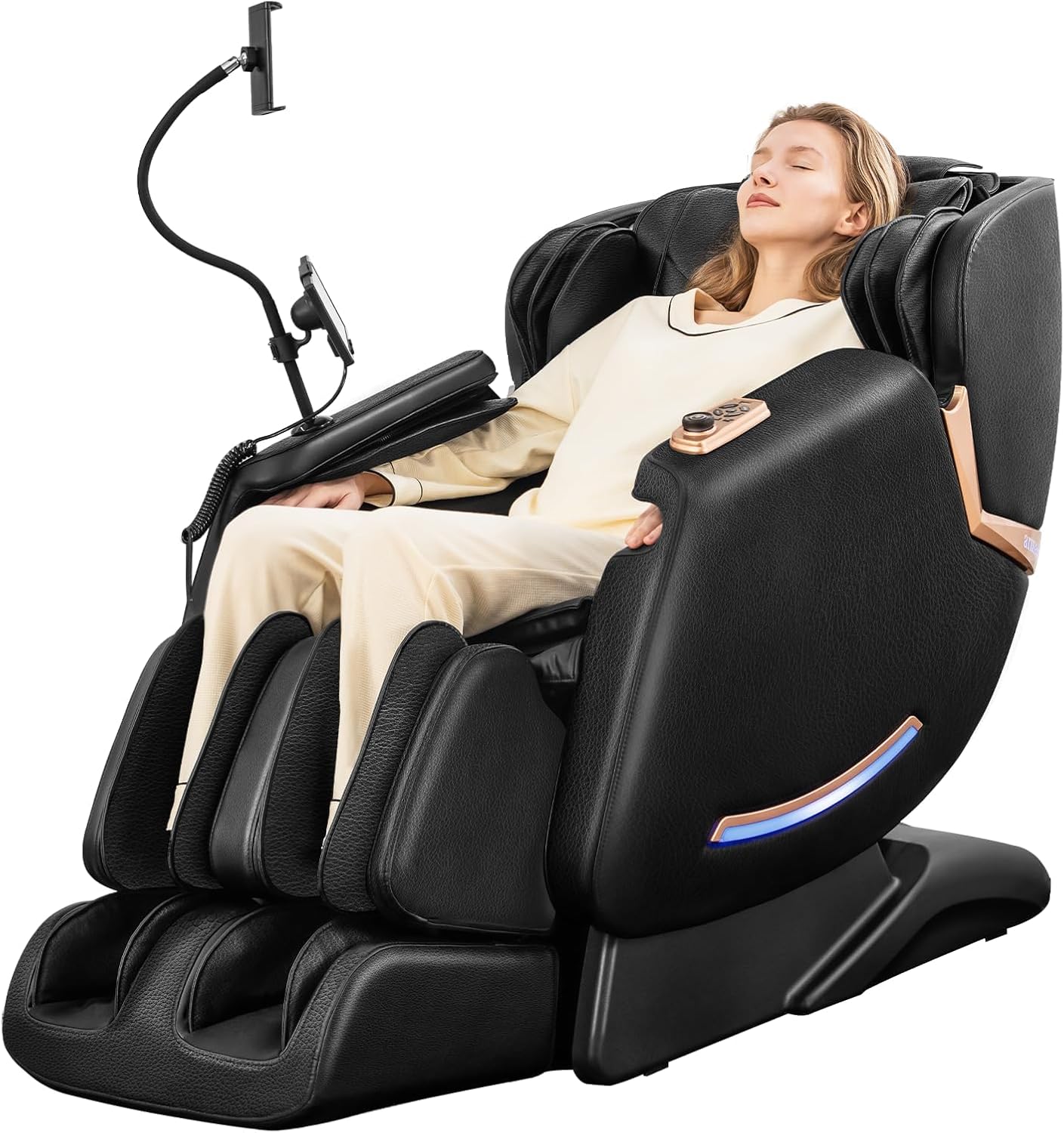

- Roller: 4D
- Track: 53.5-inch extended SL-track
- Airbags: 22
- Foot massage: smart foot rollers
- Heat: core heating
- Stretch: Yoga mode
- Controls: AI voice control
- Size: approximately 47.24″ D × 29.92″ W × 42.52″ H
The CASINTA model is worth considering if long track coverage is high on your priority list. Current product listings identify a 53.5-inch extended SL-track along with 4D massage, 22 airbags, smart foot rollers, core heating, AI voice control, and a Yoga mode.
The long track may appeal to runners and cyclists who want the massage path to extend farther below the lower back. As with any long-track chair, however, your height and body shape still determine where the rollers actually contact you.
Why consider it:
- 53.5-inch extended SL-track.
- 4D roller system.
- Smart foot rollers.
- 22-airbag system.
- Yoga mode.
- AI voice control.
Considerations: Verify the current Amazon listing for price, warranty, seller, and exact specifications because marketplace listings can change.
KoziSense A18 3D Massage Chair — Body Scanning and Compact Fit
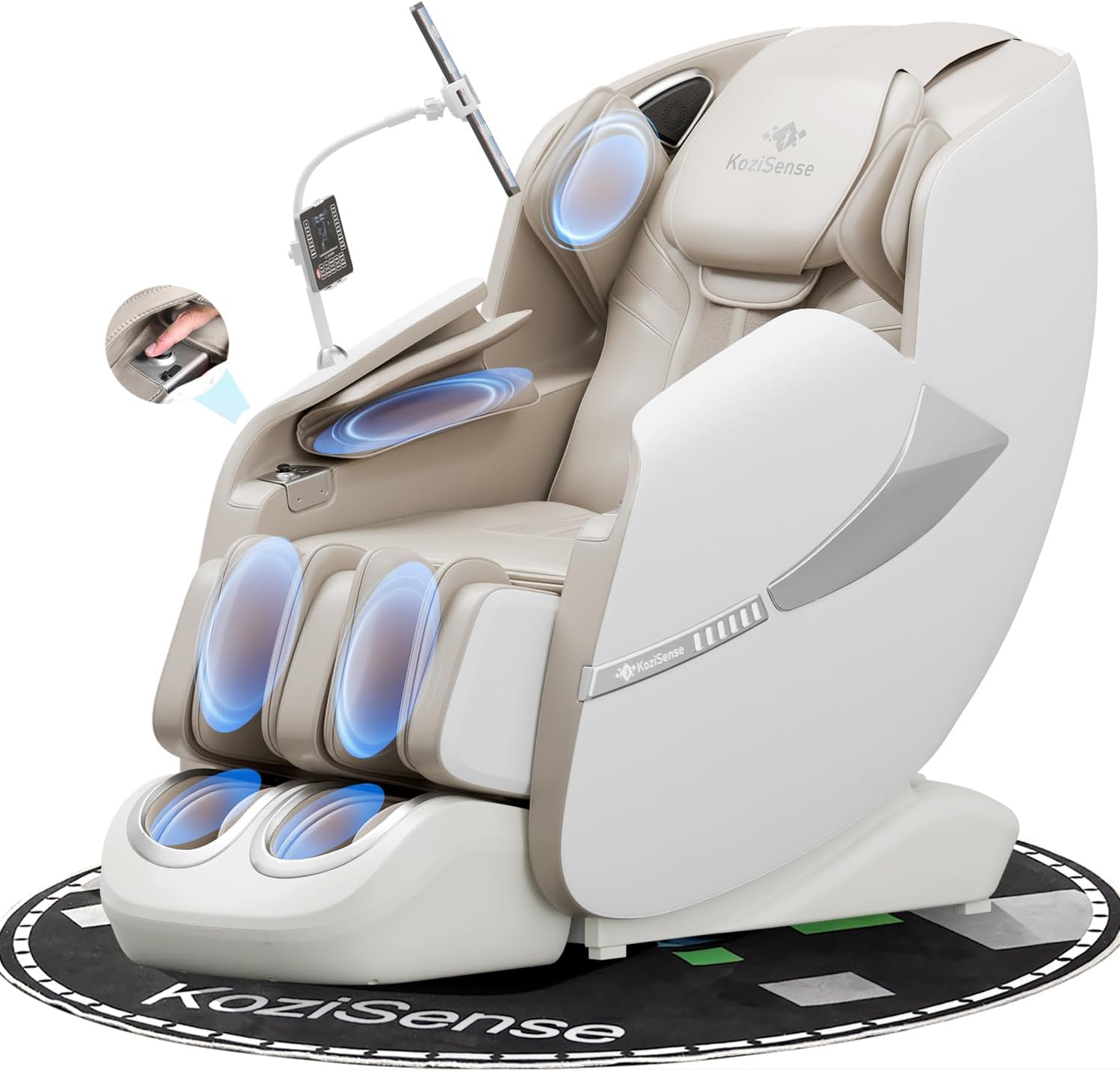

- Roller: 3D
- Model: A18
- Dimensions: approximately 50.9″ D × 30″ W × 42″ H
- Weight: approximately 150 lb
- Body scan: Yes
- Heat: back, chest, and calf heat listed
- Controls: voice control and Bluetooth
- Maximum recommended weight: 250 lb
The KoziSense A18 takes a different approach from the 4D models above. It combines a 3D mechanism with body scanning, multiple automatic and manual modes, voice control, and heating features.
Its relatively compact dimensions may make it easier to place than some larger flagship chairs. However, the listed maximum recommended weight is 250 lb, so larger athletes should consider another model.
Why consider it:
- 3D massage mechanism.
- Body scanning.
- Back, chest, and calf heat.
- Voice control.
- Bluetooth speakers.
- More compact than many full-size massage chairs.
Considerations: The 250-lb maximum recommendation limits its suitability for larger athletes. Always verify the current listing before purchasing.
Kahuna SM-7300 — Larger Fit and Sport-Oriented Programs
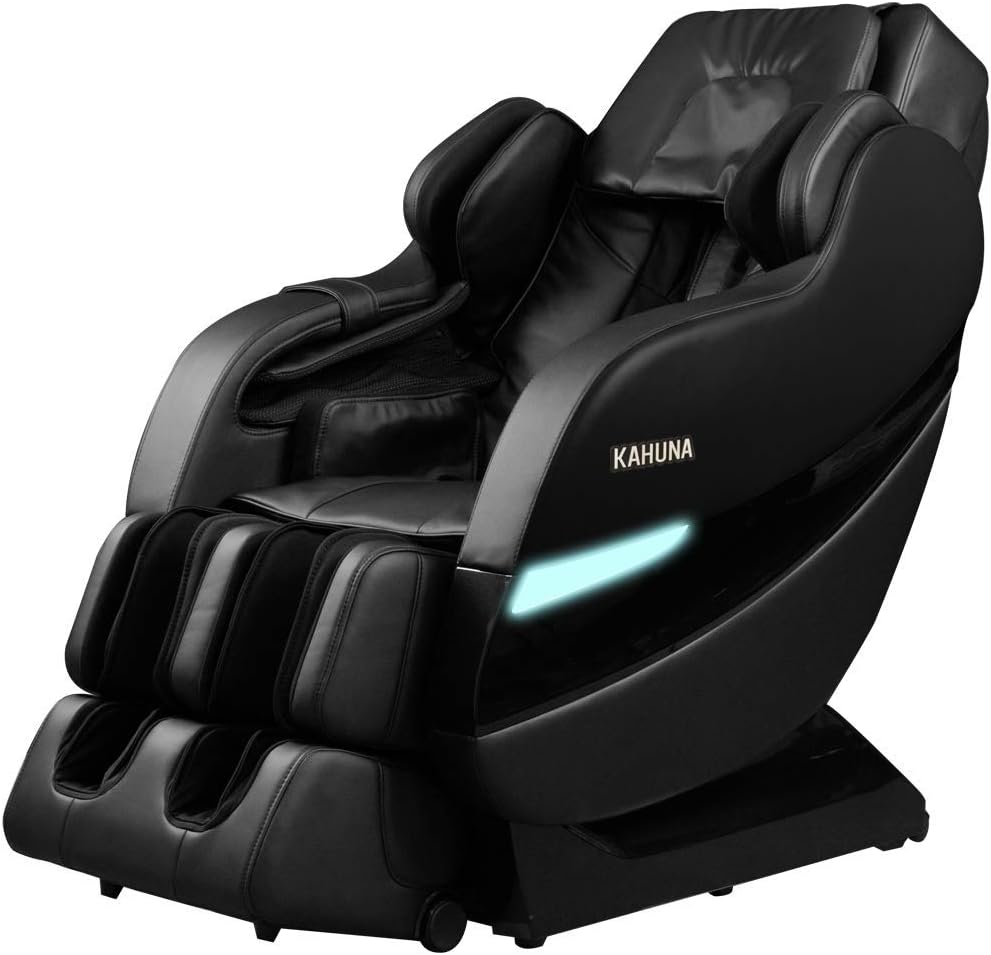

- Rollers: 6-roller system
- Track: SL-track
- Recommended height: approximately 5′ to 6’5″
- Recommended weight: under 320 lb
- Seat width: approximately 21″
- Shoulder width: approximately 24″
- Airbags: 32
- Foot massage: foot rollers
- Programs: includes Athlete and Dynamic Sport programs
- Space-saving design: approximately 3″ wall clearance listed
The Kahuna SM-7300 stands out for athletes who want a chair with a relatively roomy fit and sport-oriented automatic programs. Current product information lists support for users up to approximately 6’5″ and under 320 lb, along with an SL-track, six rollers, 32 airbags, foot rollers, stretching programs, and Athlete/Dynamic Sport modes.
This makes the SM-7300 particularly relevant to taller or larger athletes who may not fit smaller massage chairs comfortably.
Why consider it:
- Accommodates users up to approximately 6’5″ and under 320 lb.
- Six-roller massage system.
- SL-track coverage.
- Athlete and Dynamic Sport programs.
- Stretching programs.
- Foot rollers.
- Space-saving recline design.
Considerations: It uses an older-style roller system compared with newer 4D flagship chairs. If adjustable 4D depth is your priority, compare the mechanism rather than choosing based only on the number of rollers.
FURNIMAT 2025 Massage Chair — Budget Option for Shorter Users
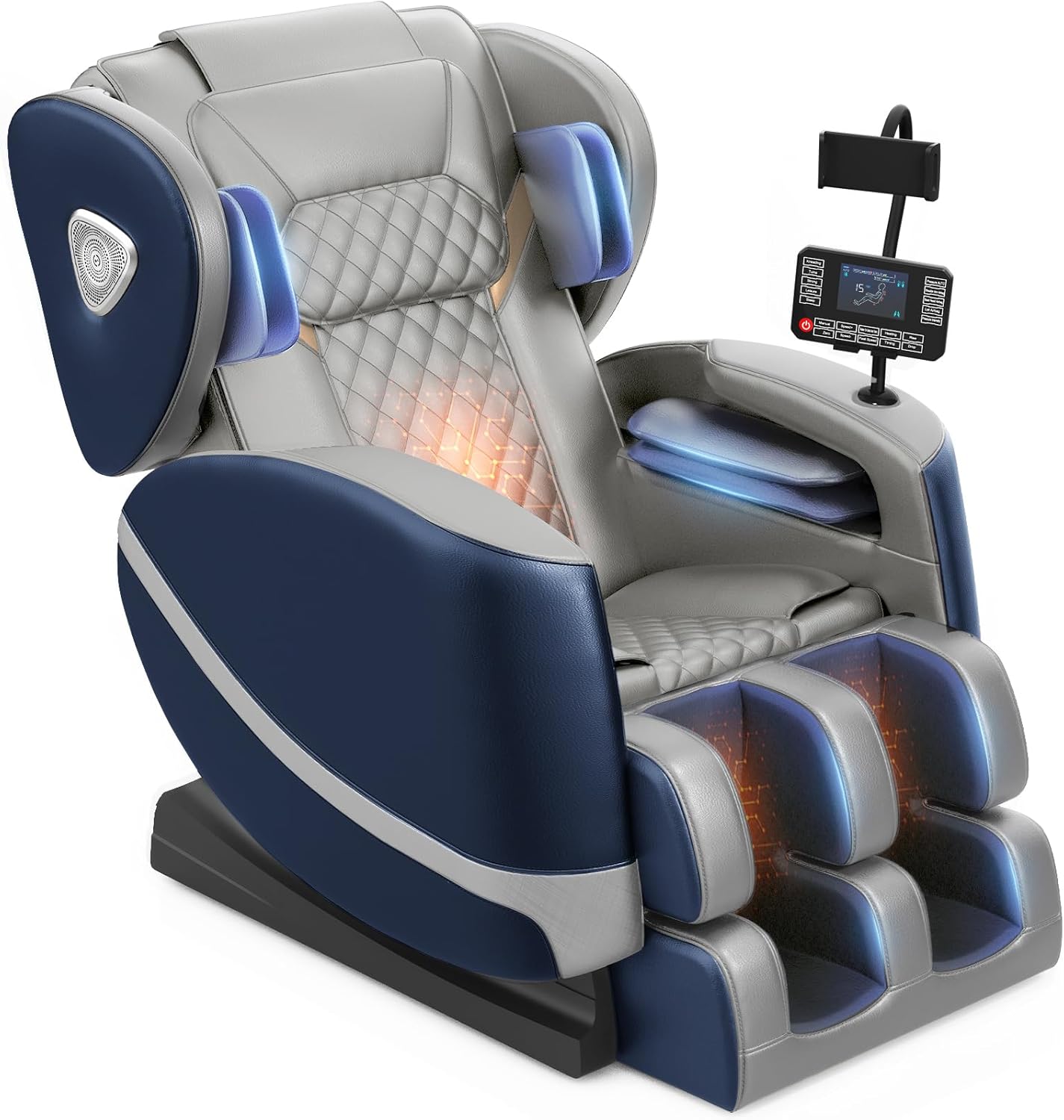

- Rollers: 10 fixed rollers
- Massage: full-body shiatsu-style massage
- Heat: waist and feet
- Foot massage: foot massage system
- Airbags: shoulders, arms, hips, and legs
- Recline: zero gravity, approximately 165°
- Footrest: retractable
- Suggested height range: approximately 4’9″ to 5’7″
The FURNIMAT 2025 is better viewed as an entry-level option rather than a direct competitor to premium 3D and 4D chairs. It combines fixed rollers, heat, airbags, foot massage, zero gravity, Bluetooth, and a touchscreen controller.
Its strongest limitation for athletes is fit. Current product information indicates a shorter recommended height range of approximately 4’9″ to 5’7″, making it more relevant to shorter users.
Why consider it:
- Multiple fixed rollers.
- Zero-gravity recline.
- Waist and foot heating.
- Foot massage.
- Airbag compression.
- Touchscreen controls.
- Retractable footrest for shorter users.
Considerations: The rollers are fixed rather than 3D or 4D, and the published height range is relatively short. Verify current dimensions and fit before buying.
Massage Chairs for Athletes: Comparison Table
| Model | Roller | Track | Lower-Body Features | Fit / Notes |
|---|---|---|---|---|
| Bob & Brad iMaster Pro | 4D | iOpen flexible | Leg extension, heated foot rollers | Up to 6’3″ / 265 lb |
| CASINTA 4D | 4D | 53.5″ extended SL | Foot rollers, Yoga mode | Check current listing for fit |
| KoziSense A18 | 3D | Full-body track | Calf/foot area, heat | Up to 250 lb |
| Kahuna SM-7300 | 6 rollers | SL-track | Foot rollers, stretching | Up to 6’5″ / under 320 lb |
| FURNIMAT 2025 | 10 fixed rollers | Full-body | Foot massage, waist/foot heat | Approx. 4’9″–5’7″ |
Best Massage Chair Features by Sport
For Runners
Runners may want to prioritize the lower-body portion of the chair rather than simply choosing the model with the most massage programs.
- Foot rollers: useful if foot massage is important to you.
- Calf airbags or calf massage: useful for users who prefer compression around the lower legs.
- Long SL/L-track: provides massage coverage below the lower back.
- Stretching programs: useful if you enjoy assisted stretching movements.
For Weightlifters
Weightlifters may place more emphasis on back, shoulder, hip, and glute coverage.
- 3D or 4D rollers: provide additional control over roller depth.
- Shoulder and back airbags: add compression around the upper body.
- SL/L-track: extends massage coverage toward the glutes.
- Heat: useful for users who prefer warmth during massage.
For Cyclists
Cyclists may want to focus on the lower back, hips, glutes, and legs.
- Long track: helps extend massage coverage below the lower back.
- Hip airbags: can provide compression around the hip area.
- Leg and foot massage: useful after long rides.
- Stretch programs: worth considering if assisted stretching is a priority.
For CrossFit and Mixed Training
CrossFit and mixed-training athletes may benefit from a more versatile chair because different workouts can place stress on different muscle groups.
- Look for adjustable roller intensity.
- Consider both upper- and lower-body air compression.
- Look for multiple manual massage areas.
- Consider body scanning if multiple people will use the chair.
- Check whether the chair’s height and weight range fits you.
How Long Should Athletes Use a Massage Chair?
There is no universal session length that is appropriate for every athlete or every massage chair. Instead, follow the chair manufacturer’s operating instructions and start with a comfortable intensity.
- New users: start with a shorter, lower-intensity session.
- Experienced users: adjust duration and intensity according to the chair’s instructions and your comfort.
- Before training: avoid assuming that an intense massage is an appropriate warm-up.
- After training: a comfortable massage session may be used as part of a broader relaxation or recovery routine.
If a massage session causes significant pain, numbness, dizziness, or worsening symptoms, stop using the chair and seek appropriate medical advice if needed.
Massage Chair vs. Sports Massage
A massage chair and professional sports massage serve different purposes.
| Factor | Massage Chair | Professional Sports Massage |
|---|---|---|
| Convenience | Available at home | Requires an appointment |
| Customization | Preset and manual programs | Therapist can adjust techniques manually |
| Consistency | Same chair and settings each session | Depends on practitioner and session |
| Cost | Higher upfront purchase | Pay per session |
| Manual assessment | No | Possible depending on practitioner |
How to Choose the Right Massage Chair for Athletic Recovery
Step 1: Identify Your Main Training
Think about the type of exercise you do most frequently. A runner may value foot and calf massage more than a weightlifter, while a cyclist may place more emphasis on lower-back and hip coverage.
Step 2: Check Your Height and Weight
This is one of the most important steps. A chair with impressive features is not useful if the roller path does not fit your body.
Check the manufacturer’s recommended height and maximum weight before buying.
Step 3: Decide Between 3D and 4D
If adjustable roller depth and more dynamic movement are important to you, compare 3D and 4D models. If you mainly want basic full-body massage, a less expensive mechanism may be sufficient.
Step 4: Check the Lower-Body Massage System
Do not assume that “full body” means the same thing on every chair. Check whether the model includes actual foot rollers, calf airbags, leg massage, and an extended track.
Step 5: Measure Your Space
Massage chairs can occupy substantial floor space, particularly when reclined. Measure the chair’s upright and reclined dimensions and check the manufacturer’s required wall clearance before ordering.
Step 6: Compare Warranty and Seller Information
Massage chairs are relatively large and complex products. Before purchasing from Amazon or another marketplace, check who the seller is, what warranty is included, where service is provided, and how returns are handled.
Frequently Asked Questions
What is the best massage chair for athletes?
There is no single model that fits every athlete. If you want 4D rollers and extensive lower-body features, the Bob and Brad iMaster Pro is one model to compare. If you prioritize a long 53.5-inch track, the CASINTA 4D is another option. Larger athletes may want to examine the Kahuna SM-7300 because of its stated 6’5″ and under-320-lb fit range.
What features should athletes look for in a massage chair?
Start with roller type, track design, foot and calf massage, heat, stretching programs, body scanning, and user fit. Your sport should determine which features receive the most weight in your comparison.
Is a 4D massage chair better for athletes?
A 4D chair provides additional control over roller movement compared with simpler mechanisms, but that does not automatically make it the right choice for every athlete. Fit, lower-body coverage, comfort, price, and desired massage intensity also matter.
Is an SL-track useful for runners?
It can be. An SL-track generally extends beyond the lower back toward the glute area, which may be useful for users who want more lower-body coverage. However, the exact roller path varies between models.
What is the best massage chair for runners?
Runners should compare models based on foot rollers, calf massage, track length, lower-body airbags, stretching programs, and fit. The CASINTA 4D and Kahuna SM-7300 are two models in this comparison with features that may be relevant to runners, while the Bob and Brad iMaster Pro adds heated foot rollers and leg extension.
Can athletes use massage chairs every day?
Usage depends on the chair’s instructions, the intensity selected, and the individual user. Follow the manufacturer’s recommended operating instructions and avoid assuming that longer or more intense sessions are necessarily better.
Can a massage chair replace a sports massage therapist?
No. A massage chair can provide automated massage at home, but it cannot perform a professional hands-on assessment or manually adapt techniques to an injury or specific clinical condition.
Final Buying Checklist for Athletes
- ☐ Manufacturer height and weight range
- ☐ 2D, 3D, or 4D roller mechanism
- ☐ S-track, SL-track, or L-track design
- ☐ Foot rollers versus air compression
- ☐ Calf massage
- ☐ Heat locations
- ☐ Stretching programs
- ☐ Body scanning
- ☐ Upright and reclined dimensions
- ☐ Required wall clearance
- ☐ Current price and seller
- ☐ Warranty and return policy