
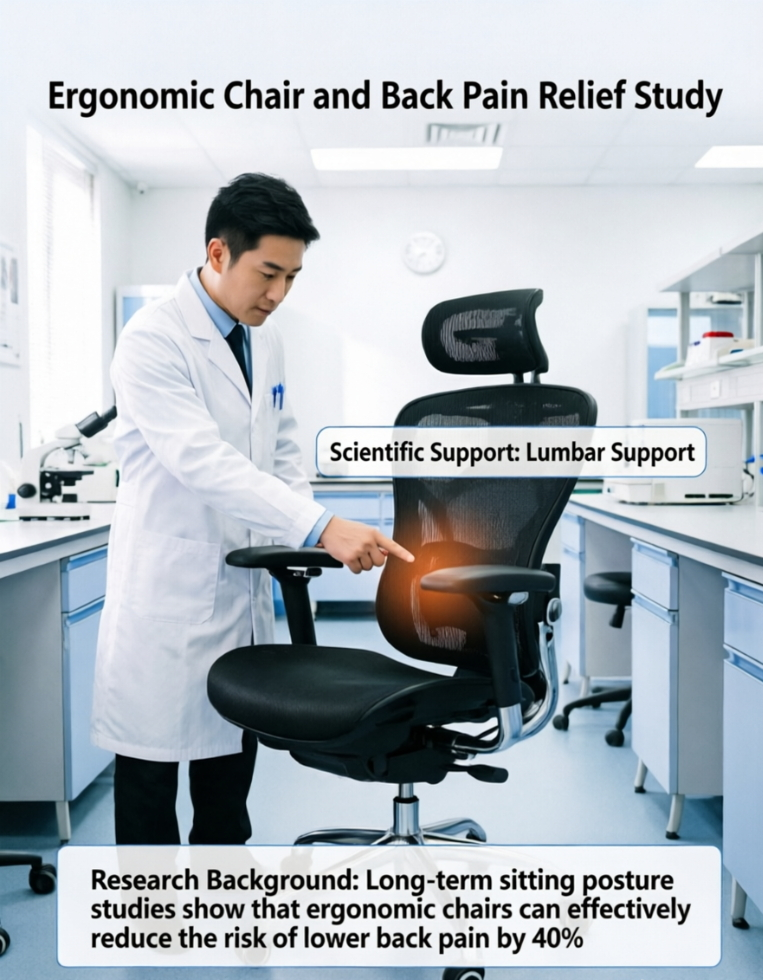
Hip pain from sitting usually isn’t just a “you” problem — it’s often a chair problem. The wrong seat depth, a flat cushion, or armrests that force your hips into a closed angle can all pile pressure onto the joint. An ergonomic chair for hip pain targets those issues with adjustable seat depth, waterfall edges, and supportive cushioning.
I’ve spent hours testing chairs for this specific problem. Not every “ergonomic” label means hip-friendly. The models below actually help you open the hip angle, reduce pressure under the thighs, and sit without constant shifting.
Let’s look at what matters and which chairs get it right.
📌 Why Hip Pain Happens and How an Ergonomic Chair Can Help
Most hip pain from sitting isn’t just about a hard seat. When you sit for hours, your hip flexors stay in a shortened position, which can pull on the front of the hip and lower back. Pressure also builds around the greater trochanter — the bony bump on the outside of your hip — especially on firm or narrow seats.
Reduced blood flow and sciatic nerve compression are two more pieces of the puzzle. A chair that’s too deep or too low can force a closed hip angle, tilting your pelvis backward and pinching the structures around the hip joint. That uneven pressure distribution tends to worsen discomfort over the course of a workday.
An ergonomic chair can help by opening that hip angle slightly and spreading pressure more evenly. Look for a waterfall seat edge, adjustable seat depth, and a backrest that supports a neutral spine without shoving your pelvis forward. Some chairs also offer seat tilt, which shifts your weight toward the back of the seat and reduces pressure on the greater trochanter.
One honest caveat: a chair alone won’t cure hip pain, especially if there’s an underlying joint or muscular issue. But the right design plus consistent adjustments can significantly reduce sitting-related discomfort and make long workdays far more manageable.
📌 Key Features to Look for in an Ergonomic Chair for Hip Pain
When you’re dealing with hip pain, a chair’s adjustability matters more than its price tag. The right combination of seat geometry and support can reduce strain on the hip joint, while the wrong setup can make sitting unbearable.
- Adjustable seat depth. Look for a seat that slides forward or backward. You want your hips to sit fully back against the backrest while leaving 2–3 fingers of space behind your knees. This prevents pressure behind the knee from cutting off circulation and keeps your pelvis in a neutral position.
- Waterfall seat edge. The front of the seat should curve downward, not cut into the underside of your thighs. This reduces pressure and improves blood flow to the legs, which can ease hip tension after long sitting sessions.
- Seat tilt and tension adjustment. A chair that allows you to open the hip angle slightly (around 100–110 degrees) and recline dynamically can shift weight off the tailbone and hip joints. Avoid locked upright positions that force constant hip flexion.
- Coccyx cutout or pressure-relief channel. Many office chairs now include a U-shaped gap or softer foam strip under the tailbone. This offloads the coccyx and may reduce referred pressure into the hip joint.
- Adjustable lumbar support. Proper lower-back support helps maintain the spine’s natural curve, which reduces posterior pelvic tilt. That, in turn, keeps the hip flexors from tightening and pulling on the hip joint.
- Breathable mesh or contoured foam. A seat that traps heat can cause you to shift and slump. Mesh or multi-density foam distributes weight more evenly and keeps you from sitting in one painful spot.
- Height, armrest, and backrest adjustability. Your feet should rest flat on the floor, elbows at 90 degrees, and the backrest should support your whole spine. Fine-tuning these settings helps different body types find a posture that doesn’t overload one hip.
📌 Top 5 Ergonomic Chairs for Hip Pain Relief in 2026
I picked these chairs because they all address hip pressure differently—seat depth, front edge design, lumbar/sacral support, and cushion or mesh distribution. The best chair for you depends on whether your hip pain comes from a seat that’s too deep, too shallow, too firm, or not supportive enough under the pelvis.
1. Herman Miller Aeron – Best Overall Hip-Friendly Chair
The Aeron’s PostureFit SL supports the sacrum and lower spine while the adjustable seat depth keeps your hips from pressing into the frame. Breathable Pellicle mesh cuts pressure and heat under your thighs. It’s expensive, but the 12-year warranty and build quality justify it.
- PostureFit SL targets sacral/lumbar area precisely
- Pellicle mesh minimizes pressure under hips and thighs
- Seat depth and angle adjust independently
- High price even for base configuration
- Mesh feel isn’t for everyone
- Armrests are firm and not padded
2. Steelcase Leap – Best for Coccyx and Tailbone Pain
The Leap’s 3D LiveBack moves with your spine, and the flexible seat edge conforms to your thighs and tailbone instead of digging in. That’s huge if sitting on a hard edge aggravates your coccyx. Adjustable lumbar and natural recline add support without forcing posture.
- Flexible seat edge reduces tailbone pressure
- LiveBack adapts to micro-movements
- Wide range of recline and lumbar adjustments
- Seat cushion can feel thin after several hours
- Arm pads shift too readily for some users
- Premium price tag
3. SIHOO M57 – Best Budget Hip-Friendly Chair
The M57 gives you adjustable lumbar support, a waterfall seat edge, and tilt lock for a fraction of the price of a high-end chair. The waterfall front reduces pressure behind your knees and hips. It won’t match an Aeron’s refinement, but it covers the critical basics.
- Very affordable for an adjustable ergonomic chair
- Waterfall seat edge eases hip and thigh pressure
- Tilt lock and lumbar adjustment included
- Seat foam may compress over time
- Armrests feel basic and less adjustable
- Build quality is mid-range
4. HON Ignition 2.0 – Best for Adjustable Seat Depth
If you’re taller or have long thighs, the Ignition 2.0 offers one of the deepest seat-slide ranges in this price class. You can move the seat forward enough to keep the front edge from hitting the back of your knees. The mesh back adds breathability.
- Generous seat depth adjustment range
- Breathable mesh back with adjustable lumbar
- Reasonable price for the adjustability
- Seat cushion is on the firmer side
- Armrests aren’t fully 4D adjustable
- Tilt tension can feel stiff initially
5. Nouhaus Ergo3D – Best for Heavy Users
The Ergo3D has a wide contoured seat and adjustable depth, plus a strong tilt mechanism that supports larger frames without bottoming out. Extra seat width reduces hip pinching, which matters if your hips feel squeezed in narrower chairs.
- Wider seat pan helps avoid hip compression
- Strong tilt and gas lift handle heavier loads
- Seat depth slide works smoothly
- Headrest position isn’t ideal for everyone
- Lumbar support is less sculpted than top picks
- More plastic in construction than premium models
| Chair | Best For | Seat Depth Adjustment | Price Range | Check Price |
|---|---|---|---|---|
| Herman Miller Aeron | Overall hip pressure relief | Yes (adjustable) | $1,395–$1,805 |
Herman Miller Aeron
|
|
Steelcase Leap
|
||||
|
SIHOO M57
|
||||
|
HON Ignition 2.0
|
||||
|
Nouhaus Ergo3D
|
🔍 Comparison Table: Best Ergonomic Chairs for Hip Pain at a Glance
| Chair | Seat Depth Range | Seat Tilt | Waterfall Edge | Coccyx Cutout | Lumbar Adjustability | Weight Capacity | Price | Check Price |
|---|---|---|---|---|---|---|---|---|
| Herman Miller Aeron | Fixed by size (A/B/C) | Adjustable angle | Yes | No | Optional adjustable (PostureFit SL) | 350 lbs | $1,400–$1,800 | |
|
Herman Miller Aeron
|
||||||||
|
Steelcase Leap
|
||||||||
|
Branch Ergonomic Chair
|
||||||||
|
SIHOO Ergonomic Office Chair
|
||||||||
|
Duramont Ergonomic Chair
|
If you have shorter legs, start with the steelcase leap or an Aeron in Size A. Their shorter minimum depths let your knees clear the front edge without straining your hips. For taller users, the SIHOO and Duramont extend past 20 inches, which supports longer thighs better.
Mesh seats like the Aeron and SIHOO run cooler and may feel less sweaty, but they tend to be firmer. Foam seats like the Steelcase Leap, Branch, and Duramont offer more cushioning and contouring, though they hold more heat.
If hard pressure points trigger your hip pain, a dense foam with a waterfall edge may help. If tailbone digging is the issue, note that none of these models have a true coccyx cutout — you’ll want to lean on seat tilt and waterfall edge design instead.
Use the table to shortlist by body type and budget. Prioritize seat depth range if leg length is your main concern, then lumbar adjustability and seat tilt if you sit long hours. The Check Price column takes you straight to each model on Amazon.
🔑 How to Adjust Your Ergonomic Chair to Relieve Hip Pressure
Getting the chair settings right matters as much as the chair itself. Here’s the order I use when setting up a chair for hip pain.
- Seat height: Adjust so your feet rest flat on the floor and your knees sit at or slightly below hip level. Knees above hips compress the joint and increase pressure at the front of the thighs.
- Seat depth: Leave a 2–3 finger gap between the front edge of the seat and the back of your knees. Too deep forces perching; too shallow cuts thigh support.
- Seat tilt: Open the hip angle slightly—aim for about 100–110 degrees between torso and thighs. A mild forward tilt reduces hip flexion and eases hip flexor tension.
- Lumbar support: Position it in the small of your back. This prevents posterior pelvic tilt, which flattens the lower back and transfers extra strain to the hips.
- Armrests: Set them so shoulders stay relaxed and elbows rest near 90 degrees. That cuts forward lean and stops hip flexors from tightening during long sessions.
- Dynamic sitting: Switch between upright and slightly reclined positions, and take standing or walking breaks every 30–45 minutes. Movement matters more than any single static posture.
Small adjustments can make a noticeable difference, especially when hip pain is already present.
📌 Common Mistakes That Worsen Hip Pain When Sitting
Many people unintentionally make hip pain worse by choosing the wrong settings or ignoring how their body responds over time. Here are the most common sitting mistakes I see — and why they can increase pressure on the hips.
- Seat height set too low or too high. If your feet dangle or your knees sit higher than your hips, the hip joint gets forced into an awkward angle. That pulls on the hip flexors and can strain the front of the hip over the course of a workday.
- Seat pan too deep. A deep seat presses into the back of your knees, which tilts the pelvis backward and flattens the natural curve of your lower back. That position shifts more load onto the hip joints instead of distributing it through the sit bones.
- Locking the backrest at 90 degrees. Holding a rigid upright position all day keeps constant tension in the hip muscles. Reclining slightly — around 110 to 120 degrees — can reduce hip flexion and take some of the load off the front of the hips.
- Choosing a completely flat, hard cushion. A seat with no contour or pressure relief can concentrate weight on the sit bones and coccyx. Over hours, that local pressure often translates into aching around the hips and lower back.
- Relying only on lumbar support while sliding forward. If the lumbar pad pushes you forward but the seat doesn’t hold your pelvis in place, you end up in a posterior pelvic tilt. That puts the hip joint in a compressed position that may make pain worse.
- Sitting for hours without moving. Even the best ergonomic chair can’t counteract the effects of being in one position all day. Standing up, walking a few minutes, or doing gentle hip flexor stretches every 30 to 60 minutes helps keep the tissues from tightening up.
A quick self-check: if your knees feel pinched, your feet aren’t flat, or you notice yourself sliding forward, those are signs the setup is off.
❓ FAQ: Ergonomic Chair for Hip Pain
What is the best seat depth for hip pain?
You want 2 to 3 inches of space between the seat edge and the back of your knees when you sit all the way back. Too deep and the lip digs into your legs, tilting your pelvis backward; too shallow and your thighs lose support. A seat depth around 16–19 inches works for most people.
Can an ergonomic chair cure hip pain?
No chair can cure a structural hip issue. What a good ergonomic chair can do is reduce sitting strain and make long workdays more tolerable. Many people find their pain eases because pressure on the hip joints and surrounding muscles drops.
Is a coccyx cutout necessary for hip pain relief?
Not always. A cutout helps if your pain is tailbone-related, but for hip joint or muscle pain, the bigger priorities are seat depth, cushioning, and adjustability. Some users still prefer a cutout because it lowers midline pressure under the pelvis.
Are mesh or cushioned seats better for hip pain?
Cushioned foam seats usually win for hip pain because they spread pressure more evenly and contour to your shape. Mesh breathes better but can create firmer pressure points under the thighs and sit bones. Look for medium-firm foam, not super soft padding.
How should I sit in an ergonomic chair to avoid hip pain?
Sit with your hips all the way back, feet flat on the floor, and knees roughly at 90 degrees. Keep your weight even on both sit bones. Avoid crossing your legs or perching on the front edge — both shift your pelvis and increase hip strain.
What is the ideal seat angle for reducing hip pressure?
A slight forward tilt of 5 to 10 degrees can open the hip angle and reduce pressure on the front of the hips. Not everyone likes that position, though. A neutral seat pan with a mild waterfall edge also works well for many users.