
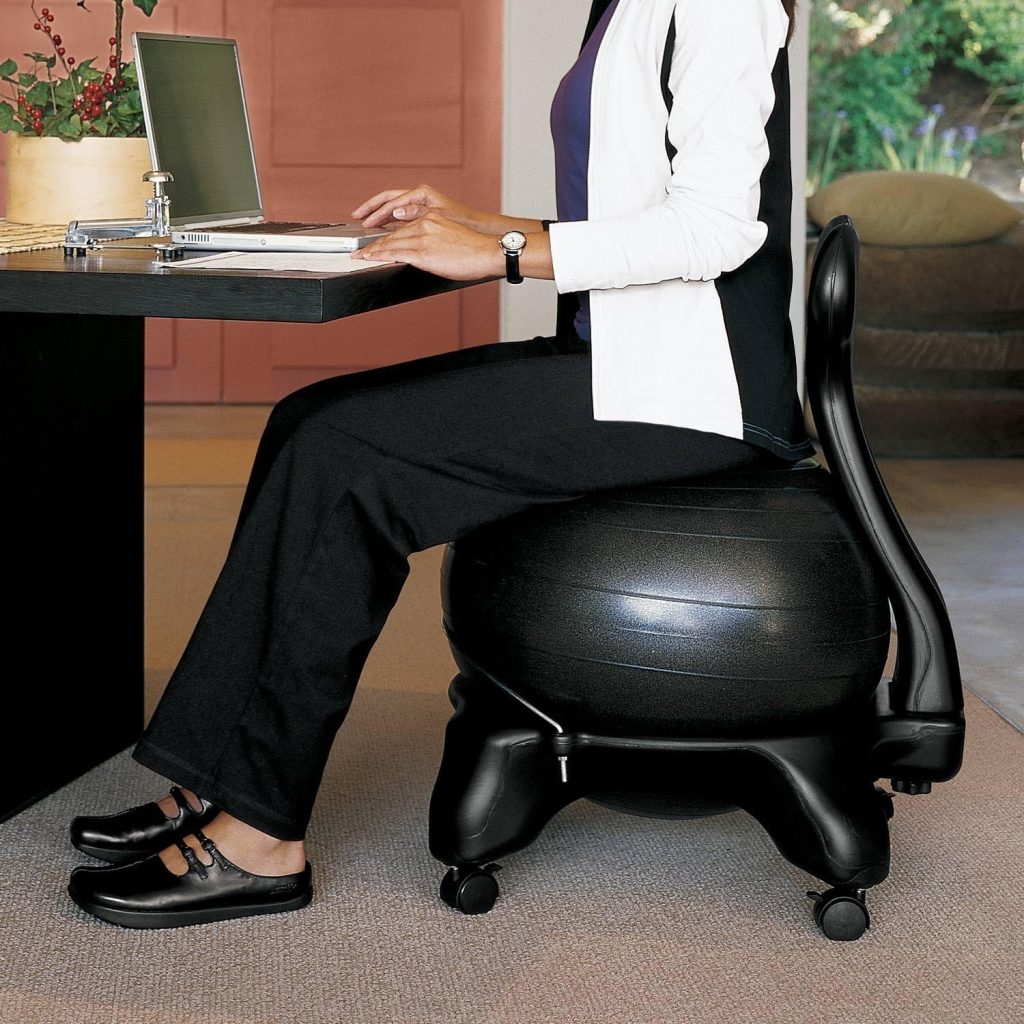
Somewhere between your cat’s midnight zoomies and your dog’s enthusiastic greeting lies the real reason your desk chair is falling apart. Standard office chairs just aren’t engineered for claws, dander, and the occasional hairball. That’s why pet owners are increasingly turning to alternative desk chairs — ergonomic seating built with tough, wipeable upholstery and forgiving frames that actually survive life with animals.
I’ve spent years testing ergonomic and computer chairs while sharing a home office with two cats. Here’s the honest truth: you don’t have to choose between protecting your back and protecting your furniture. The right chair can do both.
📌 Why Your Current Desk Chair Can’t Survive a Pet-Filled Home
Your cat uses the armrest as a scratching post. Your dog treats the seat as a launchpad every time the doorbell rings. If you work from home with pets, you already know why standard desk chairs fail — and why an alternative desk chair built for real life with animals is worth the search.
Most ordinary office chairs simply weren’t designed for daily fur, claws, and the occasional accident. Here’s what usually goes wrong:
- Fabric upholstery traps fur and soaks in dander, so the cushion holds odors no matter how often you vacuum it.
- Thin faux leather peels, cracks, and shows every scratch after a cat launches off the armrest a few times.
- Lightweight frames wobble when an excited dog uses the seat as a springboard.
Replacing a pet-damaged desk chair every year or two adds up fast. Choosing an alternative desk chair with durable, easy-clean materials is the smarter investment — you get proper lumbar support and adjustable height without wincing every time a pet jumps up mid-meeting.
The good news: you don’t have to trade your comfort for a surface that can handle the chaos. This guide walks through the best alternative desk chairs for pet owners, compares materials like mesh, bonded leather, and performance fabric, and gives you clear buying criteria plus recommendations across price points — from budget-friendly models to premium ergonomic picks.
📌 What to Look For in a Pet-Friendly Alternative Desk Chair
When your dog claims your seat the second you stand up — or your cat eyes the armrest like a scratching post — you realize most desk chairs weren’t built for multi-species households. A great alternative desk chair solves both sides of the problem: pet-proof materials on the outside, genuine ergonomic support on the inside. Here’s what I check during testing.
Claw-resistant, stain-resistant upholstery
The fabric is your first line of defense. I look for tightly woven performance upholstery, like solution-dyed polyester or Crypton-style weaves, which resist claw snags far better than loose knits. Stain-resistant or wipeable synthetic materials keep fur, drool, and accidents from soaking in.
Avoid open-weave mesh on high-contact areas — claws poke right through. And skip cheap PU leather, which scratches easily and tends to crack within a year.
Removable, machine-washable layers
If your home has heavy shedders, a removable, machine-washable seat pad or cushioned cover is a lifesaver. It catches the fur and the dirt while the chair underneath stays pristine. This is one feature I tell pet owners not to skip, even on budget picks.
A stable frame, plus full ergonomics
Check the bones of the chair, too. A steel or aluminum frame and a wide five-point base with smooth-rolling casters handle sudden pet hops without tipping or wobbling.
Finally, confirm the ergonomics survived the upgrade: adjustable seat height, lumbar support, armrests, and tilt lock should all still be present. The best alternative desk chairs for pet owners don’t force you to choose between protecting your back and protecting your furniture.
📌 Comparing Upholstery Materials for Scratches, Hair, and Spills
Before you fall for a pretty fabric, think about what your cat or dog will actually do to it. Not every alternative desk chair material handles claws, fur, and the occasional accident the same way. Here’s how the five most common upholstery options stack up.
| Material | Claw Resistance | Hair Pickup | Cleanability | Comfort |
|---|---|---|---|---|
| Performance Polyester | High (tight weave resists tearing) | Low to medium | Excellent — most are machine-washable or spot-clean | Soft, breathable, all-day friendly |
| Vinyl / Quality Vegan Leather | Medium — thick grades hold up, thin PU cracks | Very low — hair slides right off | Superb — wipe clean after muddy paws or drool | Can feel sticky in summer; needs breathable back |
| Genuine Leather | Medium — resists punctures, but scratches show | Low | Good with proper conditioner; prone to stains | Molds to body over time, luxurious feel |
| Microfiber | Low to medium — loops can snag | High — hair clings to the nap | Good with upholstery cleaner, but water marks | Plush and cozy, almost suede-like |
| Tight-Weave Mesh | Low — nails can catch in open weave | Medium — fur weaves into the grid | Easy to vacuum, but spills soak through | Excellent airflow; better for the backrest only |
Performance polyester and nylon fabrics are my top all-around recommendation for pet homes. The dense weave resists tearing when claws dig in, and the smooth surface keeps fur from embedding itself in the fibers.
Thick vinyl or quality vegan leather wins on wipe-down ease. Muddy paws, drool, even a pet accident — all cleaned with a damp cloth in under a minute. Just avoid cheap PU leather, which cracks and peels the first time a determined cat uses it as a scratching post.
Genuine leather is durable, but scratches will show over time. It also needs conditioning every few months to stay supple, which adds maintenance most busy owners don’t want.
Mesh is breathable but risky for nails. If you pick a mesh chair, limit it to the backrest and choose a solid or stain-resistant cushion for the seat where paws actually land.
📌 Types of Alternative Desk Chairs: Ergonomic, Mesh, Leather, and More
Choosing the right alternative desk chairs for a pet-filled home usually comes down to two things: fabric that doesn’t turn into a fur magnet, and surfaces that survive an occasional claw. Here’s how the main types stack up before you spend a dime.
Ergonomic task chairs with performance fabric are my usual first pick for cat and dog households. Woven synthetics like olefin or solution-dyed nylon resist snags better than standard knit upholstery, and the dense weave keeps fur on the surface where it’s easy to vacuum. Better still, you keep the adjustable lumbar support and seat-depth controls that make an ergonomic office chair worth owning.
Leather-look executive chairs work well for homes with heavy shedders. One pass with a damp cloth removes hair and dander because nothing soaks into the surface. Just confirm you’re getting thick, layered PU or bonded leather — thin covers tear quickly if your cat uses the armrest as a scratching post.
Mesh-back chairs stay cooler and collect less fur on the backrest. The catch: open mesh can snag claws, and the seat material still needs to be pet-friendly. Look for a solid, wipeable seat pan paired with a breathable mesh back, and you get the best of both worlds.
Don’t overlook alternative ergonomic seating like saddle chairs and kneeling stools. Their simple frames and minimal upholstery leave far less surface for fur and scratches to collect, and most have replaceable pads when wear finally shows.
| Chair Type | Best For | Fur Resistance | Scratch Resistance | Cleanup Effort |
|---|---|---|---|---|
| Performance-fabric task chair | All-day comfort + durability | High | Medium-High | Vacuum + spot clean |
| Leather-look executive chair | Shedding pets, quick wipe-downs | Excellent | Depends on material thickness | Damp cloth, very low effort |
| Mesh-back task chair | Warm rooms, airflow | High on back, depends on seat | Low-Medium | Vacuum mesh + wipe seat |
| Saddle chair / kneeling stool | Active sitting, small footprints | Very High | Medium | Wipe pads or replace |
So weigh these categories against your workspace and posture needs. If your pet claims the chair the second you stand up, a wipe-clean leather-look design beats a fabric one. If you run warm or type for hours, prioritize a mesh back plus real adjustability. The best alternative desk chair balances your lower back‘s requirements and your pet’s daily habits — not just one or the other.
🔍 Our 2026 Picks: Best Pet-Friendly Alternative Desk Chairs by Price
Below are my 2026 picks for the best pet-friendly alternative desk chairs, grouped by price. The pattern behind every choice: wipe-clean surfaces, minimal crevices, and replaceable parts beat expensive upholstery when cats scratch and dogs shed.
I focused on chairs that can actually survive daily pet use — not just look nice in a showroom. Use the table for a fast overview, then check the three buying rules underneath.
| Best For | Chair Type | Why Pet Owners Like It | Typical Price | Check Price |
|---|---|---|---|---|
| Budget | Compact ergonomic chair with vinyl seat and mesh back | Smooth vinyl wipes clean in seconds; solid or mesh back leaves minimal crevices for fur to collect | $100–$180 | Check Price → |
| Mid-Range | Office or gaming-style chair with stain-resistant fabric | Dense woven fabric shrugs off spills and claws; adjustable lumbar support keeps your posture in check when a dog curls up on your lap | $220–$450 | Check Price → |
| Splurge | High-back ergonomic chair with performance upholstery | High-abrasion fabric survives repeated scratching; wider cushion dimensions comfortably fit larger breeds sharing the seat | $800–$1,500 | Check Price → |
| Alternative Seating | Ergonomic kneeling or saddle chair with wipeable pads | Open-frame design gives cats nothing to scratch; replaceable pads mean you won’t trash the whole chair after one bad claw session | $90–$250 | Check Price → |
Before you buy: 3 petproofing checks
Don’t order just because a chair looks durable. Take five minutes to verify these details, and you’ll avoid a costly return.
- Material test ratings: Look for a Wyzenbeek or Martindale abrasion rating. Heavy-duty commercial fabric sits around 100,000 double rubs; residential fabric near 15,000–30,000 rubs wears out faster with claws.
- Warranty coverage: Read exactly what’s covered. A 10-year frame warranty means little if the upholstery is only warrantied for one year of normal use.
- Replacement parts: Check whether seat covers, back pads, or gas lifts are sold separately. Replaceable parts turn a scratched chair into a fixable one.
Whichever route you pick, prioritize hard-wearing materials over trendy looks. The best pet-friendly alternative desk chairs are the ones you never have to think about mid-workday — so you and your furry coworker can just focus on getting things done.
📌 Easy Maintenance Tips to Make Any Desk Chair Last Longer with Pets
Material choice matters, but upkeep decides whether your alternative desk chair still looks presentable after two years of shared use. These five habits take about ten minutes a week — and they make a real difference.
- Vacuum the chair weekly. Fit a pet-hair brush attachment and run it over the seat, backrest, seams, armrests, and casters. Fur that lodges in the wheels can stiffen rolling and work its way into the mechanism over time.
- Treat spills fast with the right cleaner. Reach for a vinyl or fabric-safe stain remover on affected areas after accidents. Always spot-test any product on a hidden patch first — even gentle formulas can fade or alter certain upholstery.
- Cover the seat when you step away. Drape a washable chair pad or quilted cover over the chair between work sessions. It blocks claw marks and catches loose fur you can simply toss in the laundry at the end of the week.
- Trim nails and give pets a better option. Keep claws short, then set up a scratching post or cozy bed within paw’s reach of the chair. In my experience, cats pick the designated spot when it’s closer than the tempting armrest.
- Skip harsh chemicals. Bleach, abrasive sprays, and strong solvents strip stain-resistant coatings and dry out leather or vinyl — leaving surfaces more vulnerable to the next accident.
Stick with that routine, and even a mid-range pick can hold up for years alongside your furry coworker.
❓ FAQ: Alternative Desk Chairs for Pet Owners
What is the best material for pet owners who work from home?
Tightly woven performance polyester or a wipeable vinyl blend offers the best mix of scratch resistance, quick cleanup, and comfort. If you’re choosing an alternative desk chair for a pet-filled office, these materials resist snags and wipe down in seconds.
Can mesh desk chairs survive pet claws?
High-gauge mesh won’t trap hair like fabric, and it holds up well to everyday wear. But cats and dogs can still puncture open-weave mesh, so look for mesh only on the backrest and keep fabric or leather off the armrests where claws dig in.
Are leather desk chairs safe for homes with cats?
Genuine leather scratches easily, and cheap PU leather can peel within a year. Thick vinyl or protected leather with a scratch-resistant finish is a safer bet — and keeping your cat’s claws trimmed makes a big difference.
Do pet-friendly alternative desk chairs still have good ergonomic support?
Yes. Many pet-safe models still include adjustable armrests, lumbar support, seat-depth adjustment, and tilt tension — just wrapped in tougher upholstery. You don’t have to trade support for durability.
How do I stop my dog from shedding all over my new desk chair?
Use a washable seat cover and vacuum weekly. Even better, pick a tightly woven performance nylon or smooth vinyl that doesn’t act like a fur magnet in the first place.
Are kneeling chairs and saddle chairs easier to keep clean around pets?
Generally yes, because they have fewer foam and fabric surfaces to collect hair. That makes them a practical alternative desk chair style for pet owners — just confirm the kneepads or seat pads are removable or made from wipe-clean material.